By Michael Mueller · Checked September 2026
Start the day with contemporary art at MACBA in the Raval, then wander the Born for independent Barcelona designers like Colmillo de Morsa. Follow that with a vermut at Morro Fi in the Eixample and dinner at Cañete back in the Raval. These are our picks across the city, grouped by what you feel like doing; the selection changes as we find new favorites.
Make time for the Sagrada Família too, and buy tickets ahead for one of the city’s best-known attractions. At MACBA, check the current exhibitions before you go, just as you would check the program for a concert. Our picks reflect our own time in the city and a taste for independent places, with room for a €3 vermut and a €90 tasting menu.
Barcelona eats on Spanish hours – lunch from 1pm, dinner after 9pm and after-dinner drinks from 11pm. An empty nightclub at midnight tells you nothing. Book ahead for Cañete, but leave some of the day unplanned. For lunch, head off La Rambla. Sant Antoni, Gràcia and the Born are places to spend an afternoon over coffee, markets, vintage shops and tapas.
Some of the best things to do in Barcelona happen at night. There’s a drink on the rooftop at Terrassa Pulitzer in the Eixample, a night at Apolo in Poble-sec or a concert at Razzmatazz in Poblenou. For a smaller independent club, try Laut, also in Poble-sec. Choose the night as much as the room – check who’s playing before deciding where to go.
With three days, choose a few of these and give them time: a museum, a long lunch, a night out and a neighborhood walked end to end. For ideas on what to do in Barcelona this week, look for events below the list. Each place entry links to its own page and website. Leave yourself time for another vermut.
Miniguide has covered Barcelona since 2003 – sixteen years in print, digital since 2020. We write from first-hand knowledge: our own legwork, not aggregated reviews.
Events
This week
Dates: Nov 17Price: €4Location: Filmoteca de Catalunya (El Raval)

A double-bill of thought-provoking pieces on Palestine here – first up is Introduction to the End of an Argument, a Palestine-USA-Canada co-production from 1990 directed by Elia Suleiman and Jayce Salloum. It's an experimental film that questions the way Western cinema and media have represented Arabs, and particularly Palestinians, through films, news reports and other media images.
Christian Ghazi's 1971 documentary Resistance, Why? looks into and explains the historical roots of the Palestinian resistance through Palestinian and Arab political and intellectual figures from the period in which it was made. The film traces the history of Palestine up to the creation of Israel in 1948 and presents the resistance as a response to colonisation and occupation. Both films will be shown during the sessions on November 6th and 17th, and the session on the 6th is followed by a presentation and discussion led by filmmaker Maher Abi Samra.
Dates: Nov 20Price: €60Location: Fàbrica Lehmann (Eixample Esquerra)
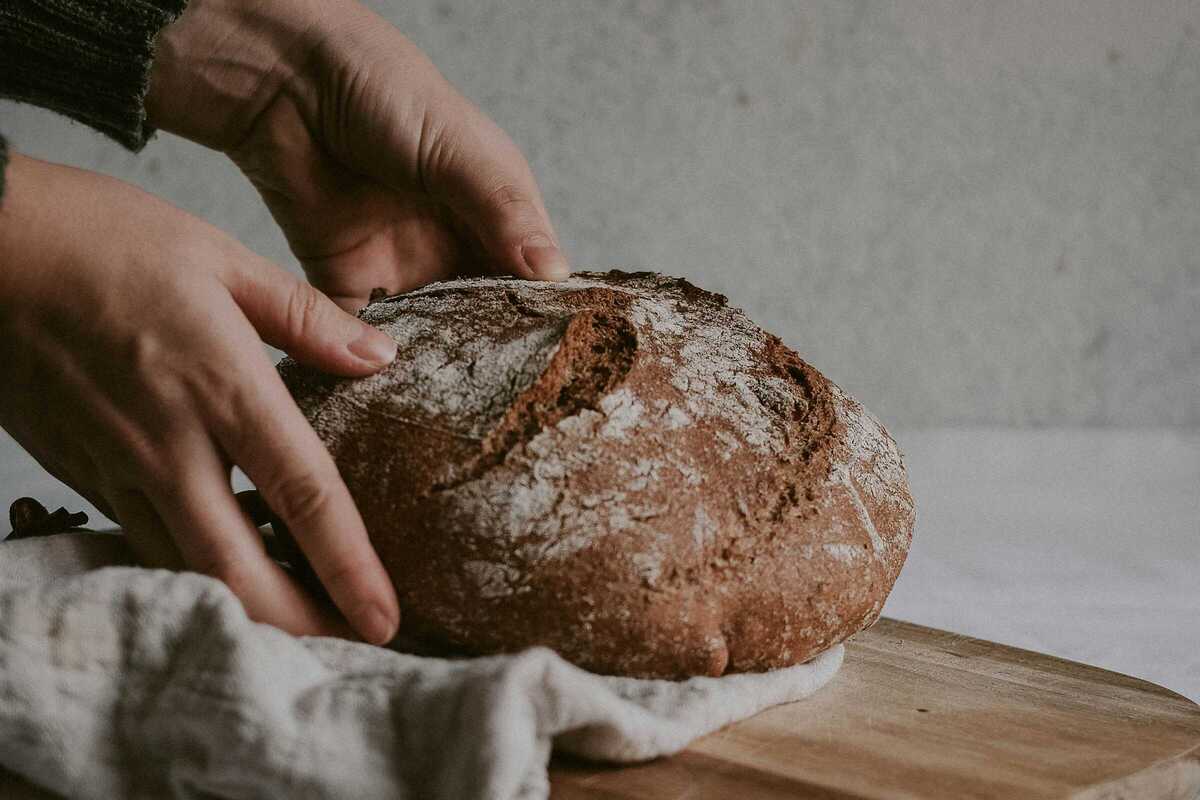
Introduction to Artisan Sourdough Bread by BonsFocs is a hands-on workshop for anyone who has ever wanted to make their own bread from scratch. Organised by All Those Experiences, the session introduces the basics of traditional sourdough baking, from choosing the right flour and preparing a starter to kneading dough and understanding fermentation.
Leading the workshop is Mónica, the baker and teacher behind BonsFocs. Raised in the mountains among rural traditions, she has spent 19 years making bread using traditional techniques, natural ingredients and lots of patience.
During the session, you'll prepare your own dough, experiment with different flours and taste a selection of artisan breads made from organic ingredients. You'll also take home your dough to finish baking, a sourdough starter and a recipe booklet.
Note: No previous baking experience is needed, just a willingness to get stuck in.
Dates: Nov 21Location: Barcelona Improv Group (Eixample Esquerra)
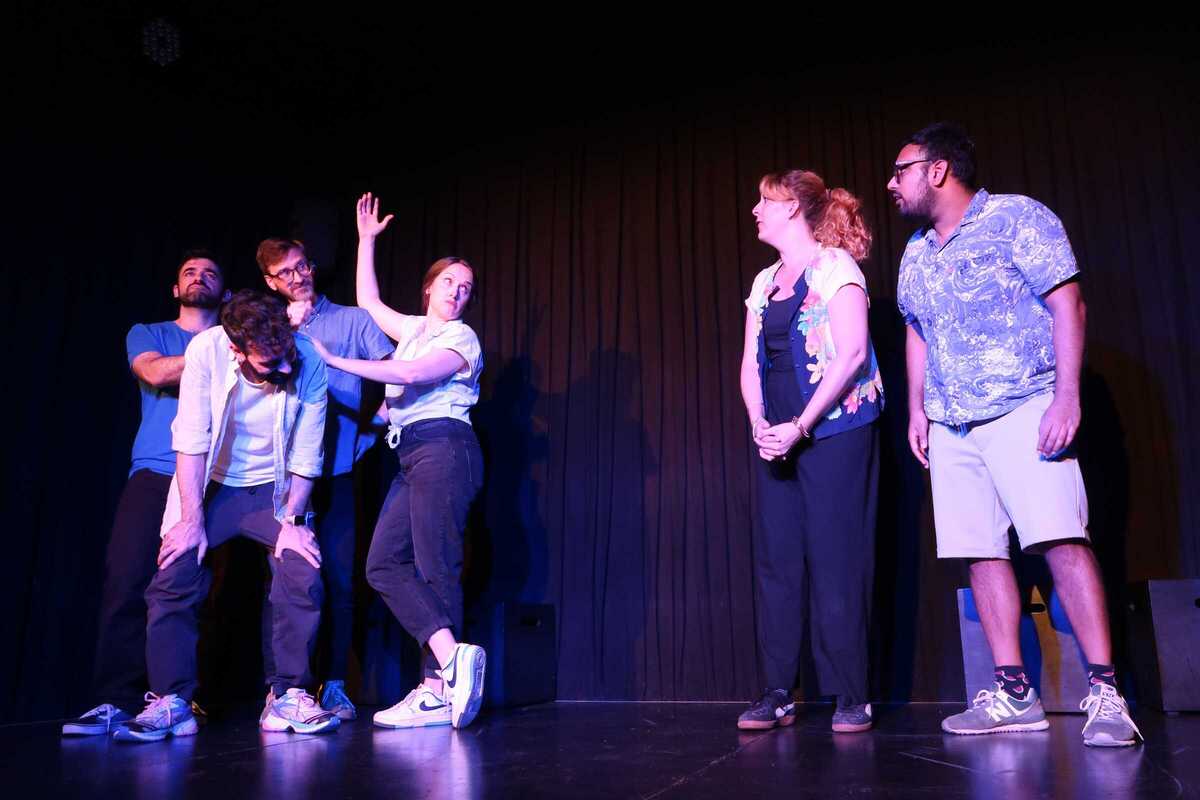
Two teams of improvisers go head to head at ImproMatch Showdown, with the audience deciding who wins. An umpire sets the challenges, calls fouls and hands out points, while the crowd shouts suggestions and votes at every scene. As it’s improv, the players will run through a set of games and characters with no script to fall back on.
BIG has been staging unscripted comedy in English for over a decade. When we first wrote about them, the shows ran at Tinta Roja in Poble Sec; these days they have their own stage and bar on Comte Borrell. Most Friday and Saturday nights bring two shows (at 8pm and 10pm) and the program swings from They All Die at the End, a Regency manor-house romp with a terrible ending, to The Bluff Education Hour, an improvised radio play performed in the dark.
Newer groups test their material at Spontaneous Combustion, an improv open mic night, and the students of the BIG Improv School take the stage at the end of every term.
Dates: Nov 11 – Nov 21Price: €5.50Location: various locations (Eixample Dreta)
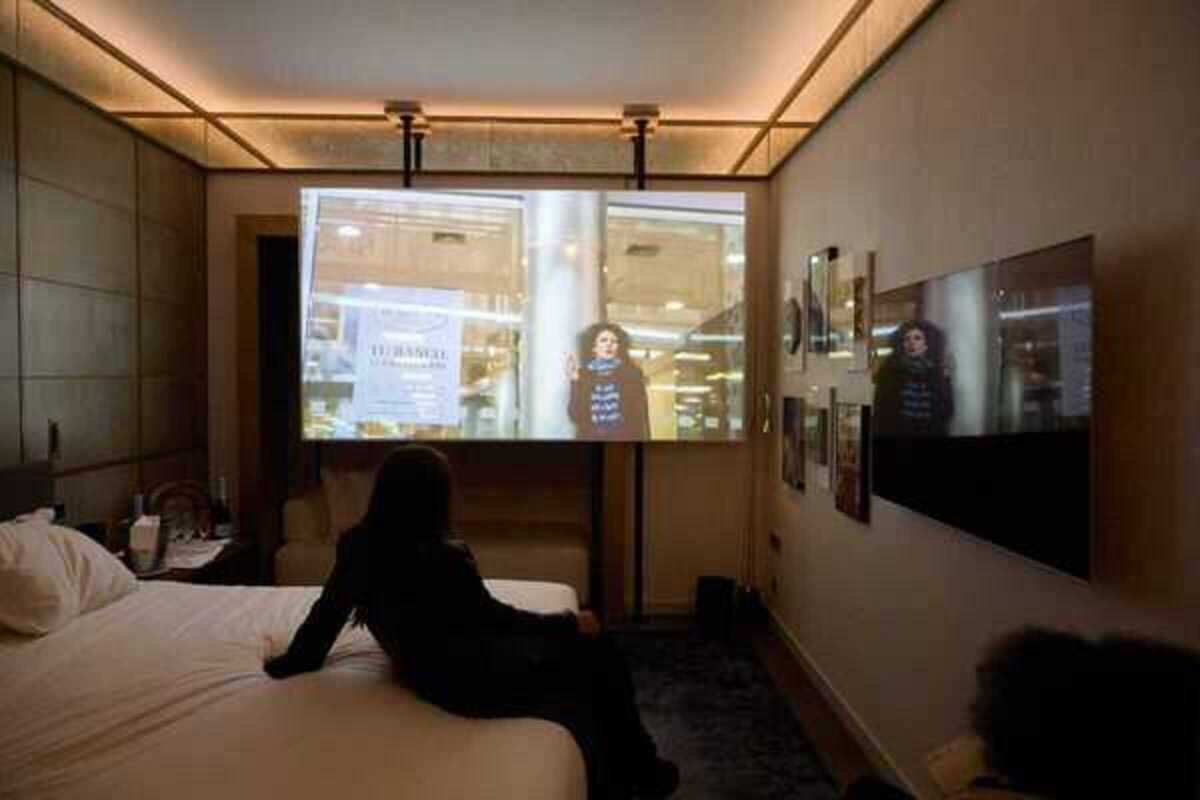
LOOP Barcelona returns for another celebration of video art, experimental film and contemporary creativity, bringing together artists, galleries, museums and cultural institutions from around the world. Founded in 2003, the festival has become an important meeting point for artists working with moving images, transforming spaces across the city into temporary exhibition venues.
This edition, titled Xiu Xiu (Catalan for 'whispers'), explores how we inhabit and share spaces, from our homes and public buildings to the environments we share with plants and animals. It features works by Rosa Tharrats, Maria Alcaide, Natasha Tontey, Joachim Koester, José Val del Omar and Salem de Amar, with exhibitions taking place at institutions including Museu Picasso, MNAC, Fundació Enric Miralles and Can Framis.
There are also screenings, performances and discussions, including Carlos Casas's Krakatoa at CCCB and a closing event featuring Forbidden Dances and DJ sets. The LOOP Fair also brings international galleries together to showcase contemporary video art.
Places
Arts & culture
Address: C/ Mallorca, 401 (Eixample Dreta)Hours: Today 9:00–20:00
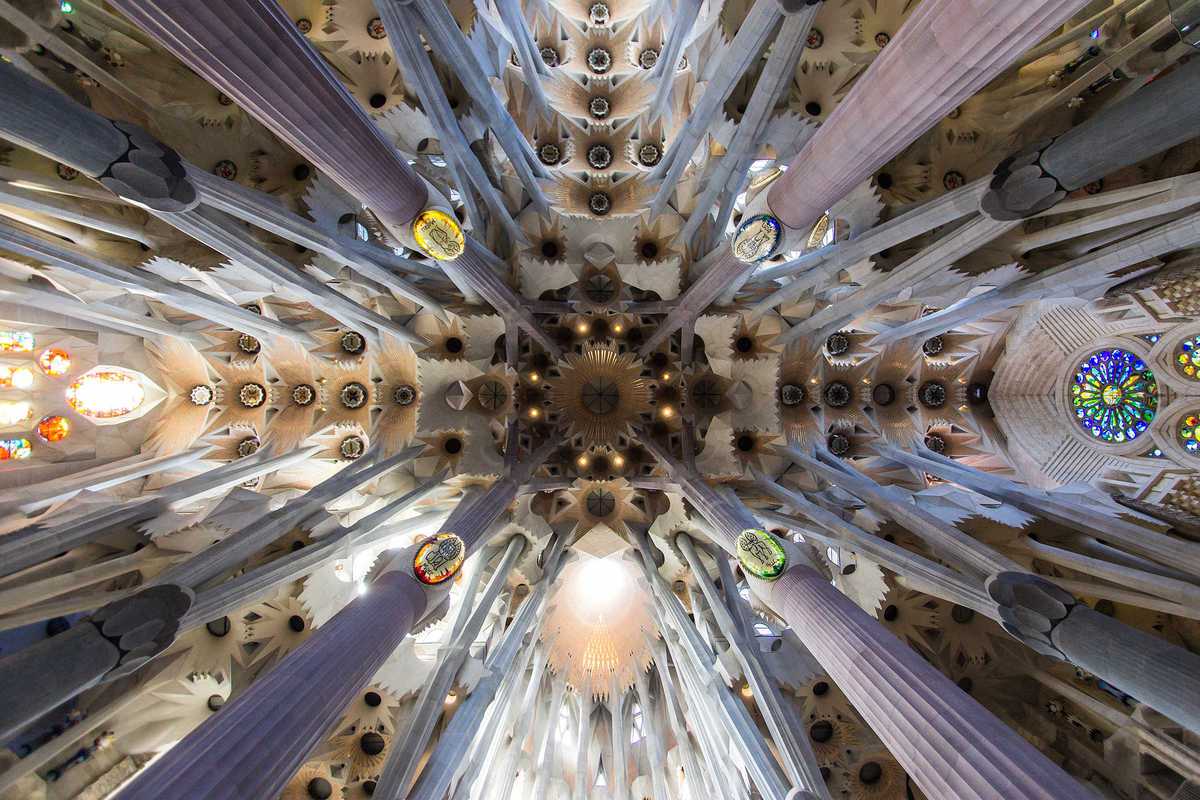
This is the tale of a blue-eyed man with a thousand-yard stare, who scuttled around Barcelona with a collection tin to complete a dream. A dream that, 130 years later, remains unfinished, but has evolved from a dingy plot of land in the Eixample to the monstrously kitsch house of worship that we now know as the Sagrada Família. And that blue-eyed man? Antoni Gaudí i Cornet: architect, eccentric and genius. A person that wealthy Catalans would cross the road to avoid.
Gaudí did not conceive the idea for the Sagrada Família, nor was he the first choice to work on it. The founder was, in fact, a bookseller by the name of Bocabella who, legend has it, dreamed of finding an architect with “piercing blue eyes” and then met 31-year old rising star Gaudí after the resignation of his first builder. It was an appointment that proved fortuitous, as Bocabella’s idea for a “Cathedral of the Poor” became Gaudí’s ultimate, living masterpiece – and which made both him and his work singularly iconic of the city.
Forty years of Gaudí’s life were devoted to working tirelessly on the Sagrada Família. He calculated how the journey of a leaf swirling to the ground could be converted into a 100-meter spiral staircase. And how to make the interior décor resemble a slanting, granite forest with sunset light filtering through its roof of stone leaves. He stuck gigantic, boiled sweets onto the interior pillars. His bell towers end in heaps of multicolored fruit. Dalí called it “bad taste” but loved it all the same.
The architects who have succeeded Gaudí have plenty of guidelines to go by, but critics find that the newest sections are cold, hard-edged and staid, whereas Gaudí’s approach breathes humanness and dare, faithful to the foaming, romping, spurting, dripping, drifting elements found in nature. Very little, if anything, was taboo for Gaudí. He is said to have made plaster casts of temporarily anesthetized chickens so as to recreate their likeness when later sculpted in stone. At points his designs push the envelope so far that it takes a while for any of them to make sense. The Nativity Facade, for example, is so bristling and intricate that any more than a couple of glances will provoke dizziness and turn weaker stomachs.
Such rampant creativity in a holy place could only exist in free-spirited Barcelona but still, it begs the question: how was someone allowed to do that in a Roman Catholic church? You can barely imagine the Pope consecrating the place in 2010 without smiling a little, in disbelief as much as awe, at what this extraordinary Catalan architect was capable of, and all in the name of God. For Gaudí was indeed a devout man who, according to biographer Gijs van Hensbergen, existed on an ascetic diet of lettuce leaves dipped in milk. When asked if it bothered him to not see the work completed in his lifetime, Gaudí simply replied, “My client” – referring to God – “is not in a hurry.”
So, still incomplete, still evolving, the Sagrada Família is the epitome of ephemera. One day it is like this, the next day, different. People around the world visit impressive churches all the time, but it is quite something to walk around this particular church and see the staff not changing the flowers but actually making enormous structural alterations – attaching fixtures, carving facades and unveiling entire statues to be enjoyed by the visitors of tomorrow. Religious feeling can be found somewhere amid the spectacle, but it is not the focus. People tend less to pray in the Sagrada Família than immerse themselves in a house of living art, where it feels as if just about anything could happen.
Today, for example, I am sitting inside the basilica on what must be the coldest morning of the year, with barely a tourist in sight. Even so, the sounds of hammers, cameras and workers wheeling large objects on trolleys gives the impression of a buzzing movie set. A gaggle of Cistercian monks pass by. I stop one of them and ask why he has chosen this particular day to visit. “Our order has donated money for one part of the basilica’s construction. Today’s the inauguration,” he explains.
You would be mistaken for thinking that such an epic church would have an official source of funding, but no. The Sagrada Família is the ultimate startup, based entirely on donations. If the money runs out, building stops, and everyone loses their job. Curiously, the majority of donations come, according to art historian Robert Hughes, from the Japanese. He thoughtfully notes that “the Sagrada Família is the first Catholic temple whose bacon was ever saved by Shinto tourism.”
Back inside the main area of worship, another eccentric design comes in the form of a crucified Jesus suspended from a large beach umbrella decorated with glass grapes and white fairy lights. While almost too ironic, there is still something sincere about this Christ, dead and at peace among references to sun, booze and fun. The aesthetic at work here is none too dissimilar to Baz Luhrmann’s remake of Romeo and Juliet in which the simple, beautiful lovers oscillate innocently around each other while surrounded by loud-mouthed, parasitical urbanites. In both cases, something noble and age-old is alive in the tackiness of a modern setting.
Maybe there is not much dignity in the world we live in today, but it is what we have, and to avoid it is quite simply to lie. Gaudí embraced it, as much as he embraced religion, and tried to pack in as much as he could of both into 170 vertical meters of granite. The edifice as a whole resembles an erupting, mutating skin complaint on the face of Barcelona. But in spite of its flagrant ugliness, the Church of the Holy Family is utterly breathtaking and unforgettable.
Address: Plaça dels Àngels, 1 (El Raval)Hours: Today 10:00–20:00
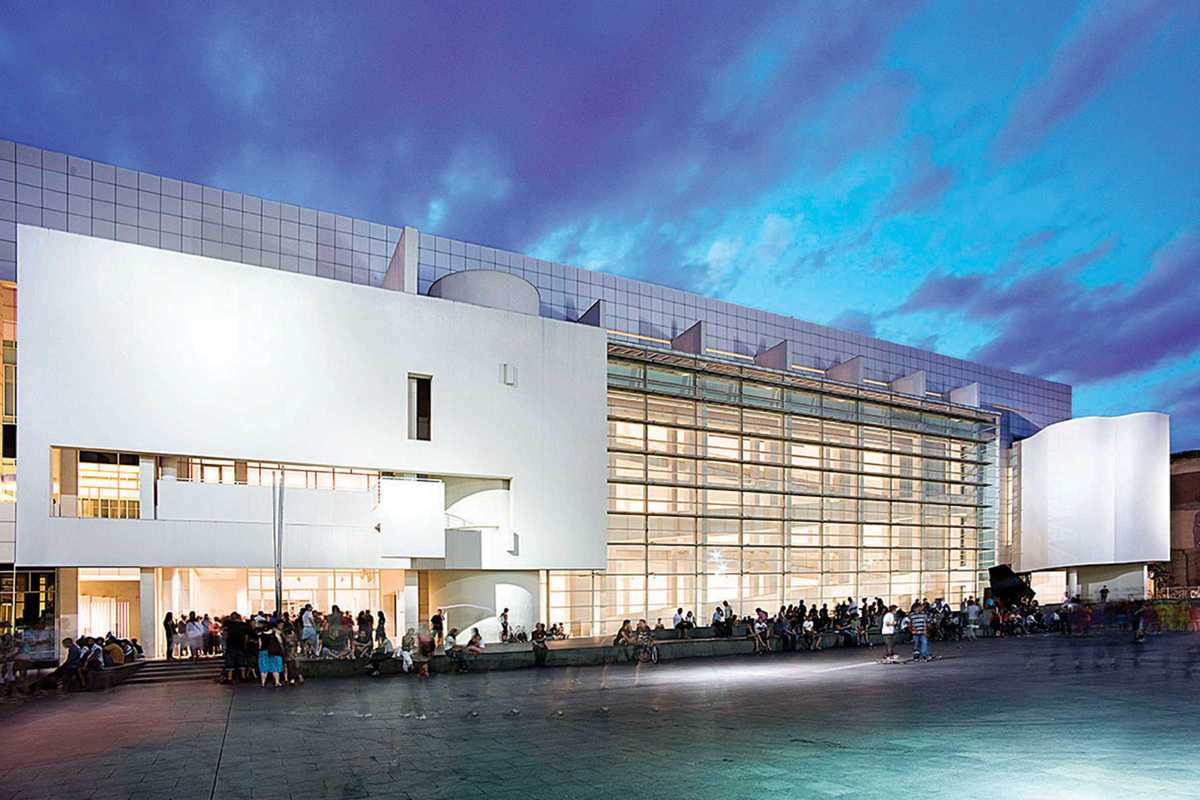
Surrounded by skaters and Keith Haring’s graffiti mural, MACBA has been Barcelona’s reference par excellence for contemporary art and culture since its opening in 1995. The collection consist of some 5,000 local and international artworks created from the ‘50s to present, including avant-garde pieces from the ‘60s and ‘70s, minimalist sculptures from the ‘80s as well as installations and media art.
The museum does not show a permanent exhibition but rather rotates its display through temporary exhibitions, providing a fresh look at its works depending on the context in which they are viewed. In addition to the main building, designed by American architect Richard Meier, the museum extends to the medieval Convent dels Àngels on the same square, which serves as an archival center and space for guest exhibitions.
MACBA also runs the non-profit Ràdio Web MACBA with exhibition commentary, sound art, experimental music, etc.
Address: Parc de Montjuïc (Poble-sec & Montjuïc)Hours: Closed today
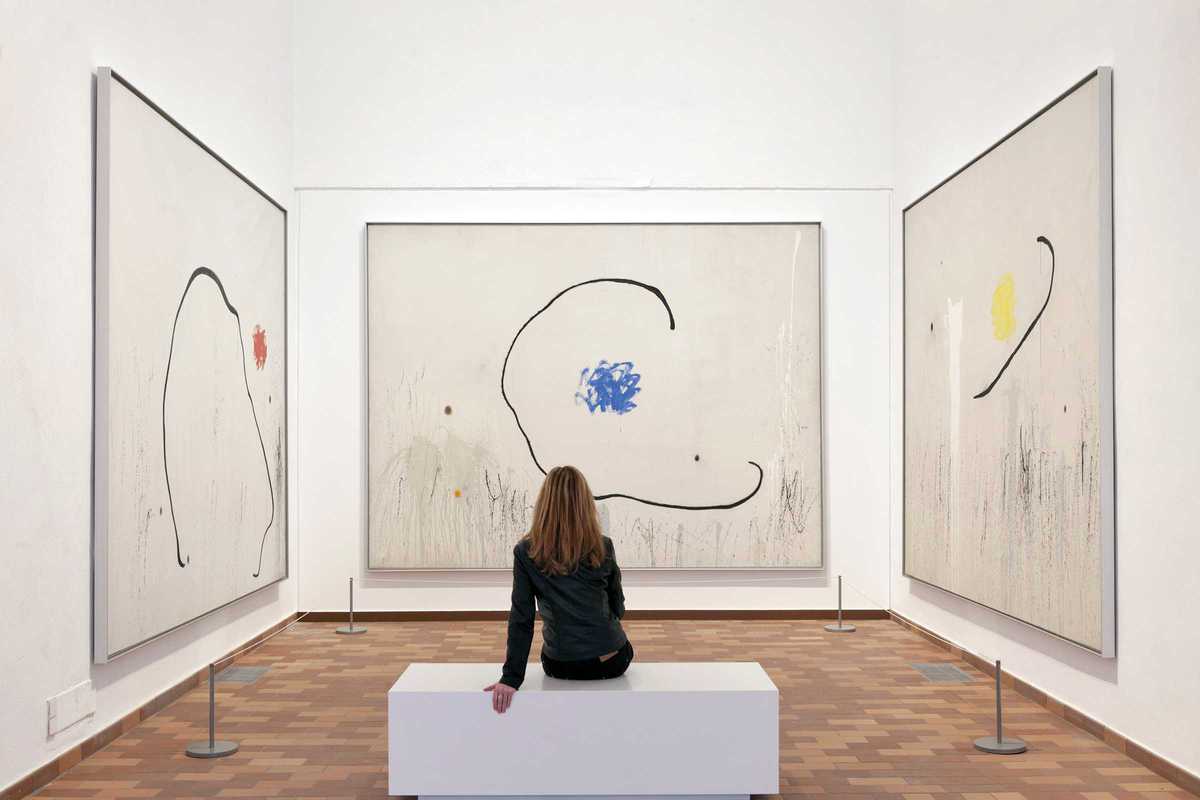
One of the most influential Spanish artists of the 20th century, Joan Miró’s Surrealism is a “sandbox for the subconscious mind.” This sandbox found a home in Fundació Joan Miró.
The space opened in Montjuïc in 1975 in an avant-garde building designed by celebrated architect Josep Lluís Sert, a friend to the artist. Today, the foundation holds over 14,000 items, including 400 sculptures and paintings, many donated by the artist himself. The eight sections of the museum portray Miró’s artistic evolution, with significant political works like May 1968, inspired by French protests against capitalism, or Catalan Peasant in Moonlight, depicting a cultural figure who frequents Miró’s body of work.
Navigate through Miró’s exploration of mediums, from painting to sculpture to tapestry and ceramics, and you’ll also get a taste of 20th century and contemporary artists, both in the permanent collection and temporary exhibitions: Duchamp, Calder, Ernst and many more.
Address: Palau Nacional, Parc de Montjuïc (Poble-sec & Montjuïc)Hours: Closed today
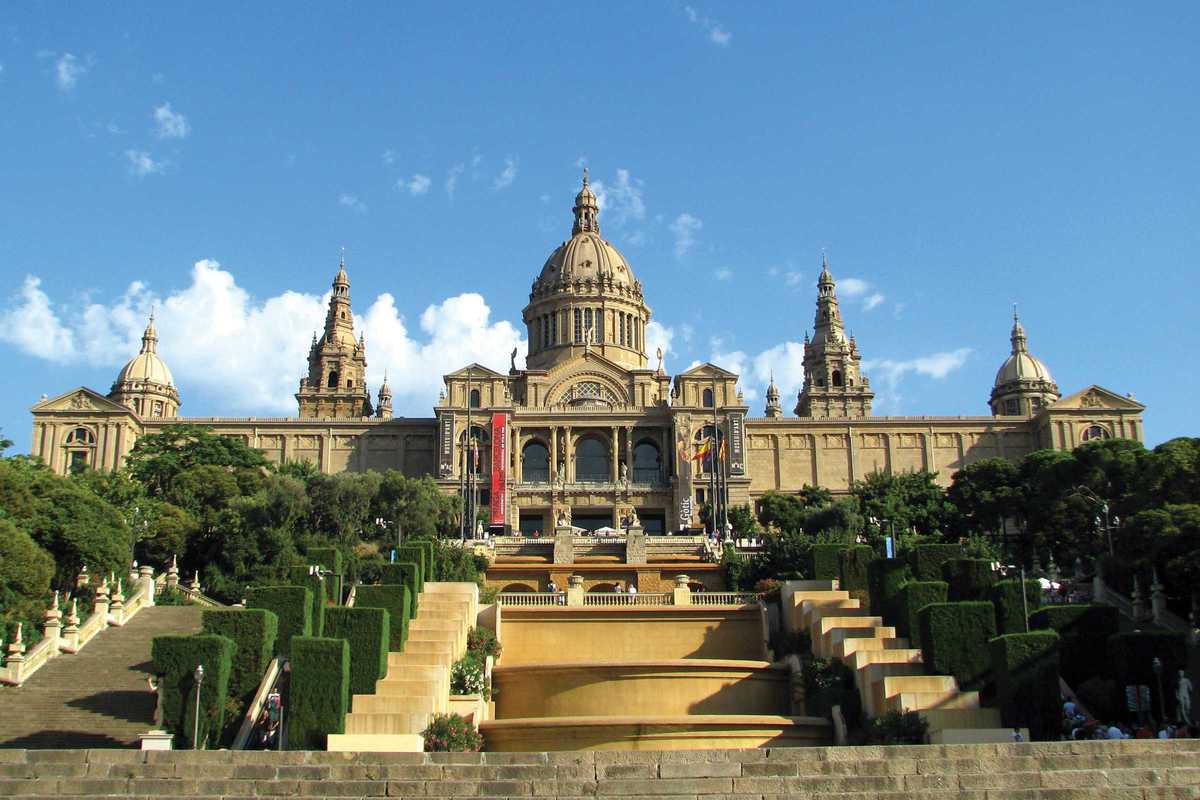
MNAC is the ultimate place to admire, contemplate and learn about classical and modern Catalan art, from Roman times up to the 20th century. Plenty of international masterpieces are on display, too, but what makes MNAC unique is its Romanesque mural painting collection – predominantly from the region and considered the best in the world – as well as cheerful works by the most representative Catalan Modernists, such as Gaudí, Ramon Casas and Santiago Rusiñol.
Apart from the Gothic, Renaissance and Baroque sections, also on display is an Italian collection owned by the Thyssen-Bornemisza Museum in Madrid, while temporary exhibitions draw attention to lesser-known artists and often bring fascinating discoveries to stage. Housed in the Palau Nacional in Montjuïc, built for the 1929 Barcelona International Exposition, MNAC’s roof is also open for visits, providing breathtaking, 360-degree views of the city.
Address: Av. Francesc Ferrer i Guàrdia, 6-8 (Poble-sec & Montjuïc)Hours: Today 10:00–20:00
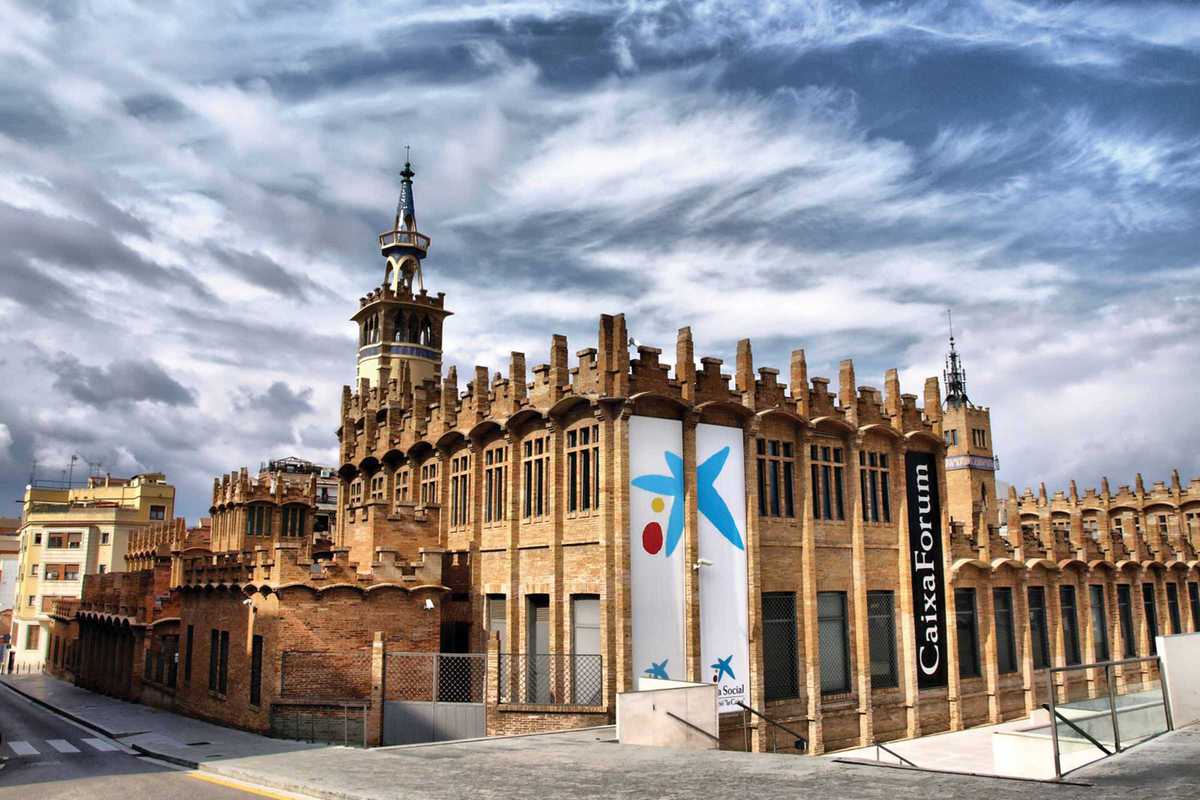
CaixaForum isn’t a straightforward place to explain. Is it a museum, a gallery or an event space? The answer is all three, and much more besides.
Housed in a former textile factory designed by Modernist architect Josep Puig i Cadafalch, the building alone is worth a visit and has been sensitively updated without losing any of its original charm. The accessible rooftop is a great spot to view the nearby MNAC museum and Montjuïc, as well as to appreciate the building’s unique layout. Owned by the non-profit La Caixa Foundation that controls CaixaBank, the center hosts exhibitions of ancient, modern and contemporary art, films, concerts, talks, literary events, and educational programs.
With access to the bank’s huge art collection, more than 100 previous exhibitions have shown everything from art by Dalí to animation by Pixar. Live music is a highlight of the programing, showcasing up-and-coming electronic artists at their DNIT events.
Food & drink
Address: C/ Unió, 17 (El Raval)Hours: Today 13:00–0:00
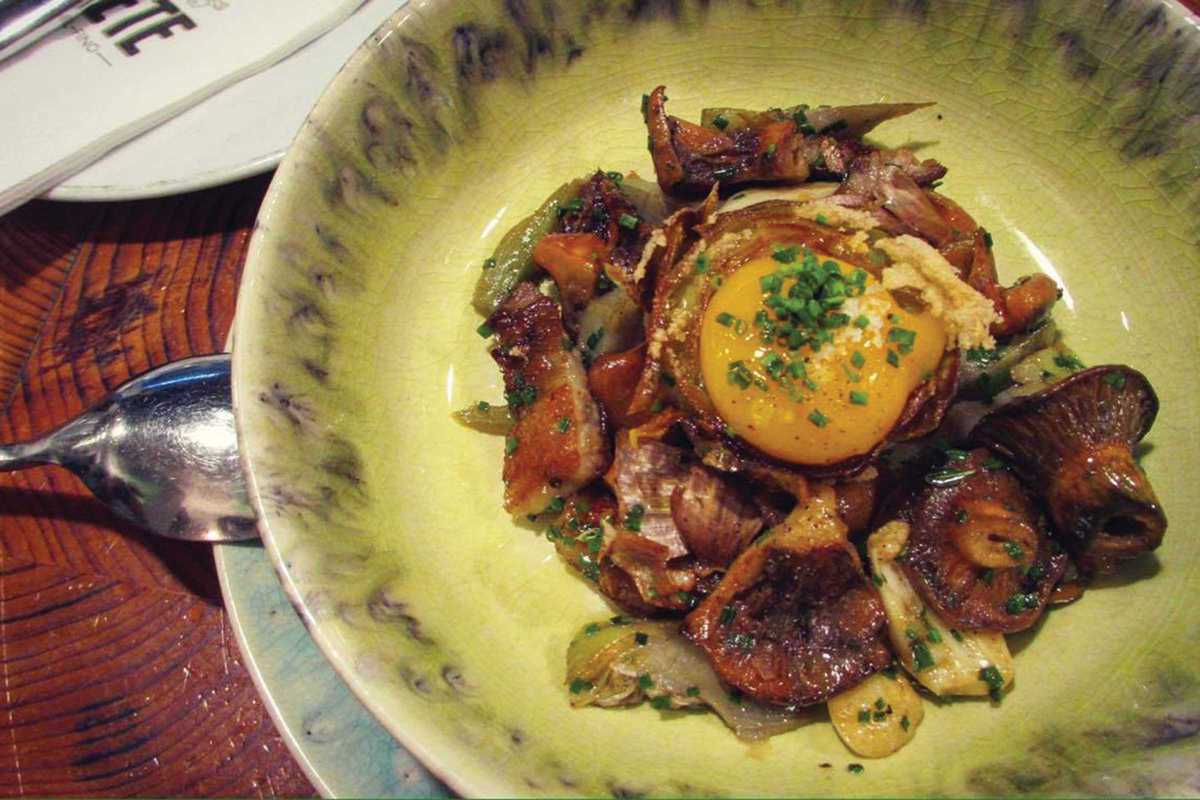
Illuminated by the garish neon lights of tacky mobile phone shops and empty, old man bars, Bar Cañete’s gilded façade glows like an apparition. But as you step inside it feels like traveling through time to Spain’s glory days when everyone had oodles of cash to spend on fine food and wine.
White-coated waiters waltz like nimble Navy officers between the main dining room and the long, narrow bar, where debonair diners perch on leather stools and leer at chefs flinging blue-flamed pans around the open kitchen. The focus is on classic Catalan dishes spruced up with a little creative pizzazz and poetic license.
Try classic croquettes enhanced with tender lobster and other “secret ingredients,” or wild tuna tartare with Mascarpone and wild trout caviar. Meat and fish dishes (the sea bass is divine) are cooked simply but perfectly, and the three-course menú del día offers good value for money. An impressive wine menu and friendly service seal the deal.
Address: C/ Mercè, 28 (Barri Gòtic)Hours: Today 11:00–15:00, 18:00–23:00
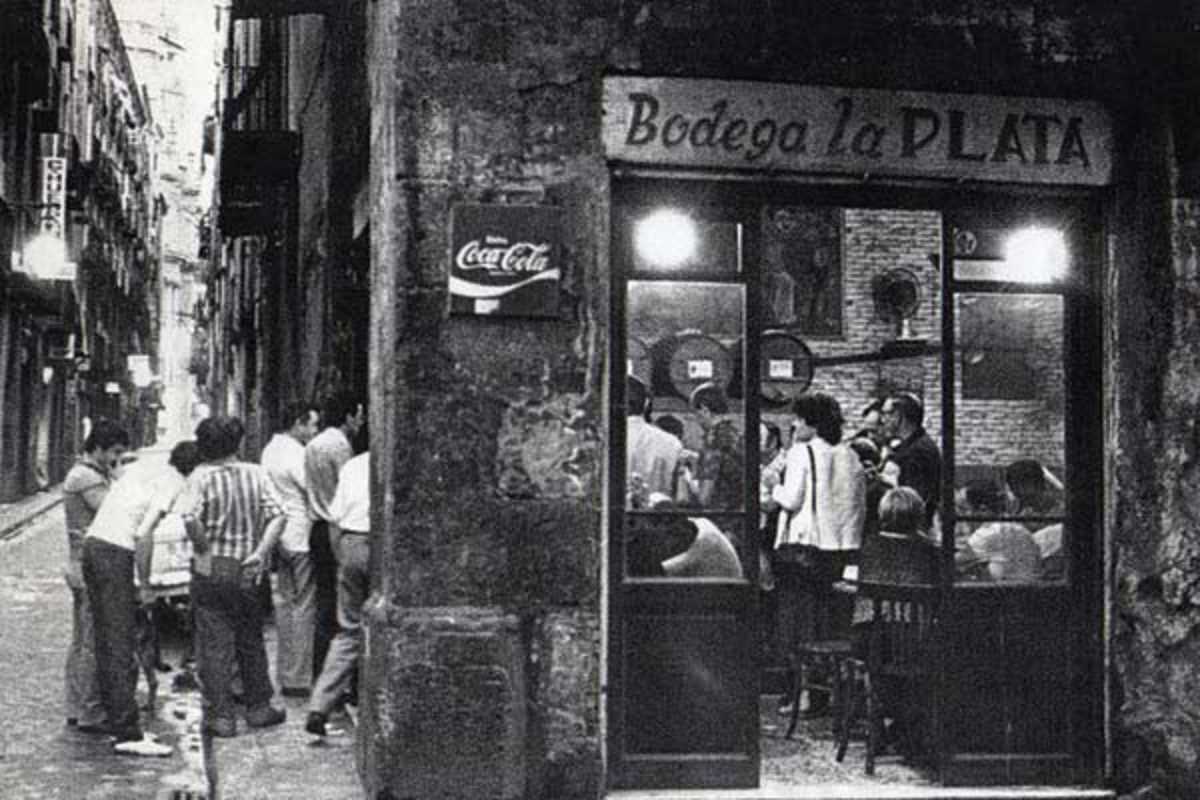
Specialist restaurants are so de rigeur. You know the type of place: the menus run from tiny to non-existent and people flock from far and wide for one specific foodstuff that’s done very, very well. But trends are irrelevant to the phlegmy old guys over at La Plata who’ve followed this formula for years.
The Barcelona institution opened its doors in the 1920s and offers up just three tapas: butifarra, tomato salad and their world-renowned fried sardines, and three wines by the barrel: tinto, blanco and rosado. They understand the power of three. And they have no need for bells and whistles. The tiny tiled space is packed to the rafters every second that it’s open. And all in spite of overcrowding and frequent glares from the less-than-patient bar men.
As long as they keep on serving up those little salty strips of fried fishy perfection there will be people there to eat them.
Address: C/ Entença 60 (Eixample Esquerra)Hours: Closed today
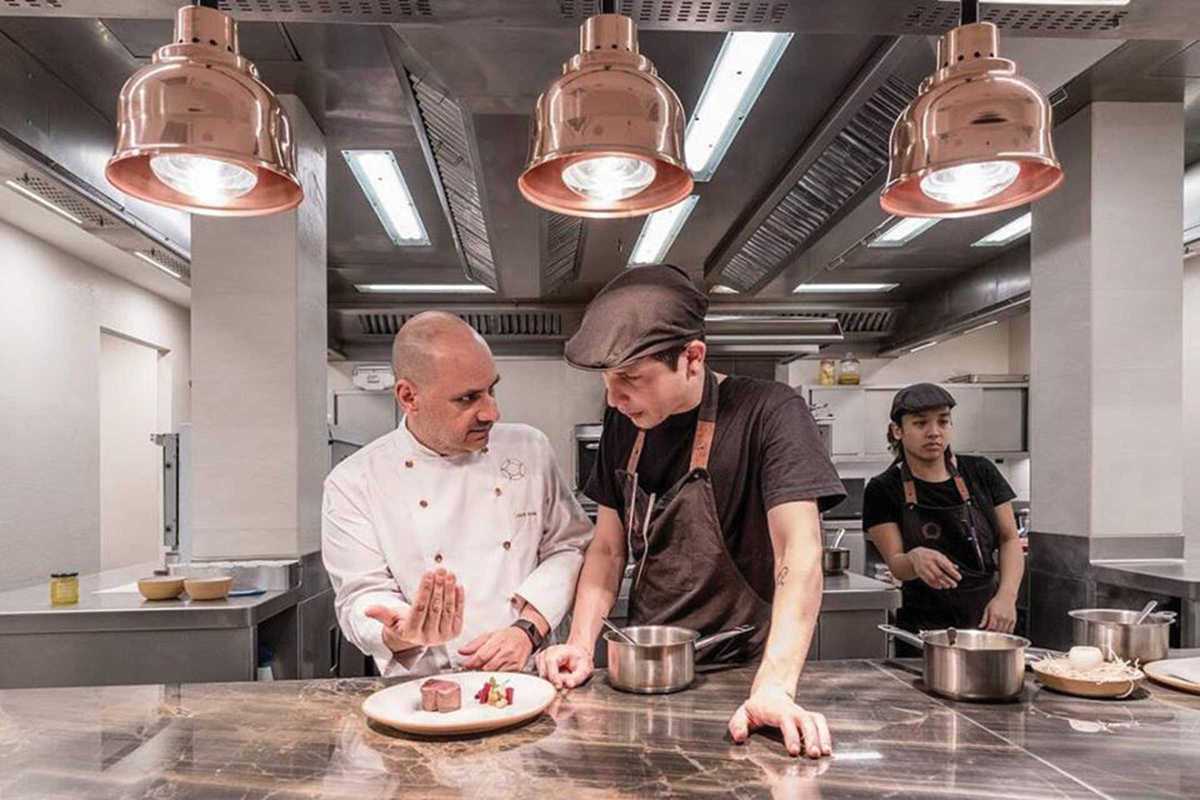
Chef Jordi Artal, a former Michelin star holder, is back with his Catalan kitchen Cinc Sentits. Guests are greeted by Artal’s mother, Rosario, in an antechamber inspired by the forests of Tarragona, where he has his roots.
There is vermouth to start, smoother than any you’re likely to have tasted, made from an heirloom grape variety that has been resurrected. The dining room is elegant, low lit and impervious to street noises, being entirely bereft of windows. With distractions out of the way, there is only the food to focus on. The menu makes much of farmers and artisans. Beautiful plates of food seem to require solemn consideration before being enjoyed; each dish comes with a card that lists the components presented.
The choice is between two tasting menus, the longer one comprising 11 small dishes (wine pairing available), making Cinc Sentits the kind of place reserved for a special occasion.
Address: Ptge. del Mercat, 14 (Eixample Dreta)Hours: Today 13:00–22:30
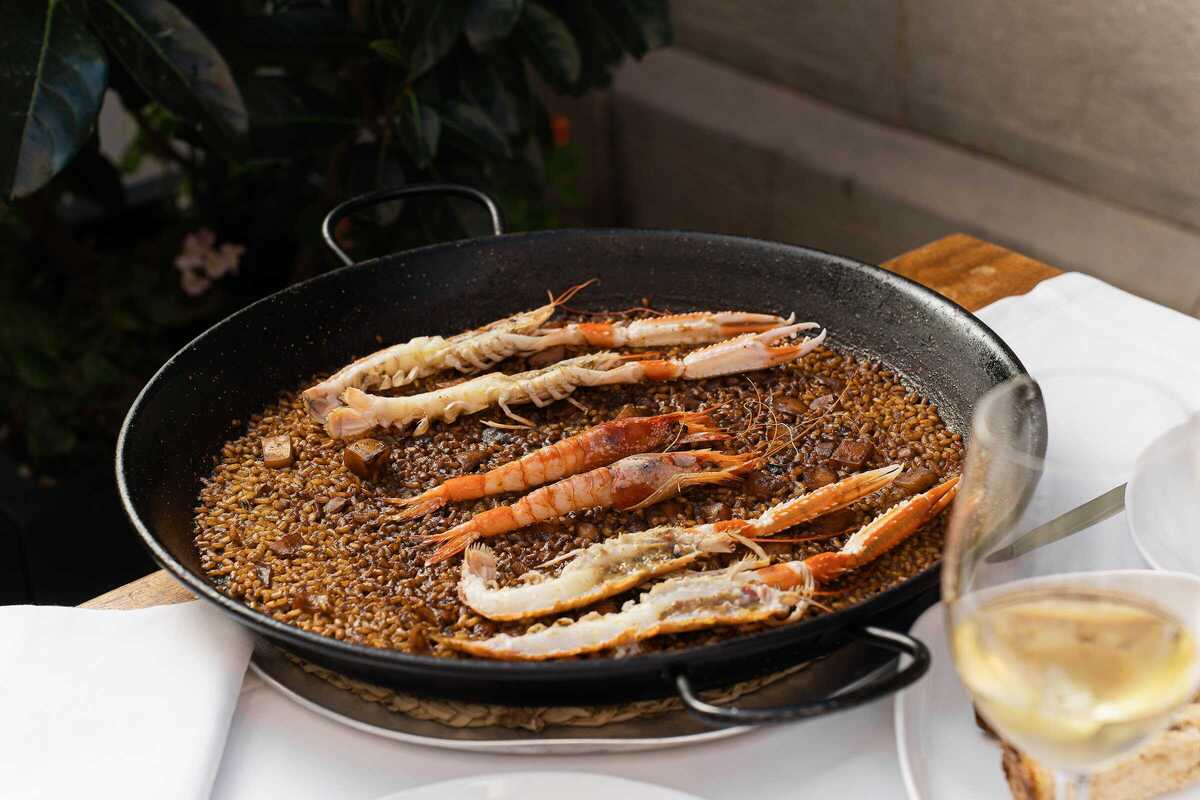
In Barcelona, paella usually comes by the pan and for two. Casa Amàlia, opened in 1950 next to the Mercat de la Concepció, is one of the few central spots where you can order one for yourself – and not just a basic seafood version, but creative variants like mountain rice with rabbit and butifarra, wagyu beef, cocochas, or the Onyar-Merlès with duck magret, foie and figs.
The restaurant relaunched in 2020 under new ownership as Casa Amàlia 1950. Most ingredients now come from stalls inside the market next door, with the dishes traced back to their producers; a digital menu surfaces who grew what. The short-grain cristal rice – the hollow-centered kind that absorbs broth – ships in from Molí de Pals in the Empordà region.
Before the rice, warm up with croquetas (the spinach “Popeye” is as good as the meat version), a plate of torreznos, or whatever starter the server recommends. Finish with the torrija, caramelized and dense. Service is Catalan old-school: staff who remember the regulars and aim to turn first-timers into regulars. Inside, traditional hydraulic tiles and refurbished wood abound; two private rooms, Sala 1950 and Sala Rovira-Beleta, are good for small groups. Outside, tables spill onto the pedestrianized Passatge del Mercat when the weather cooperates. The feel is more neighborhood trattoria than tourist destination.
A second Casa Amàlia sits inside the Time Out Market at Port Vell offering sea views and a different experience. But the original is this one. Come alone, come as six – the pans arrive one to a person.
Address: C/ Provença, 341 (Eixample Dreta)Hours: Today 8:30–15:00
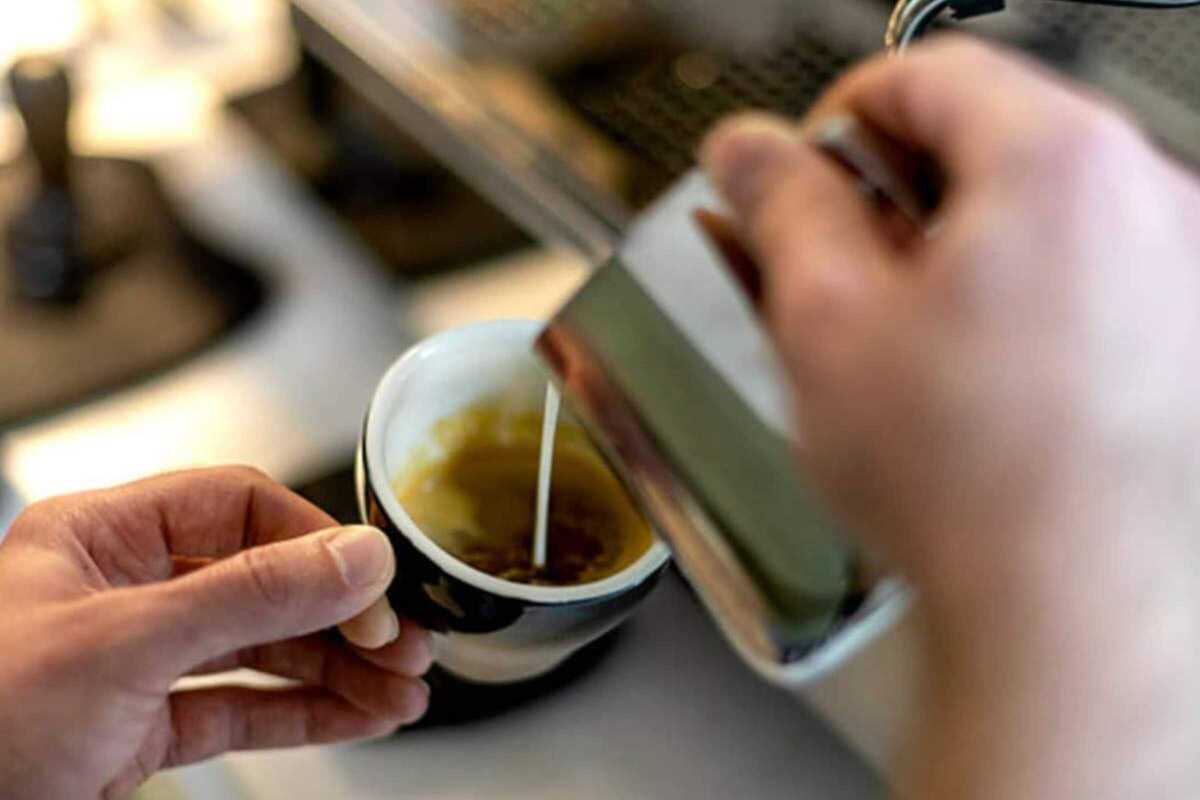
Most specialty cafés hand you a coffee and leave it at that. Àmbar wants you to taste the difference. At this small Eixample spot, owner Jianit built the menu around a simple, nerdy pleasure: take a single coffee and try it across different extraction methods, side by side, to learn what the bean actually does in the cup.
The beans come mainly from Jaleo Coffee Roasters, rounded out by a rotating cast of guest roasters, so the lineup keeps moving. Order an espresso and a filter of the same origin and the contrast does the teaching – the same coffee can read like two different drinks depending on how it’s pulled or poured. It’s the kind of place that turns a quick cortado into a small education, without any of the snobbery that sometimes comes with it.
The room is calm and unfussy, the service genuinely warm, and the dog at your feet is invited too. A proper specialty bar for people who want to understand what they’re drinking – or just drink something very good.
Address: C/ Comte Borrell, 107 (Sant Antoni)Hours: Today 9:00–20:00
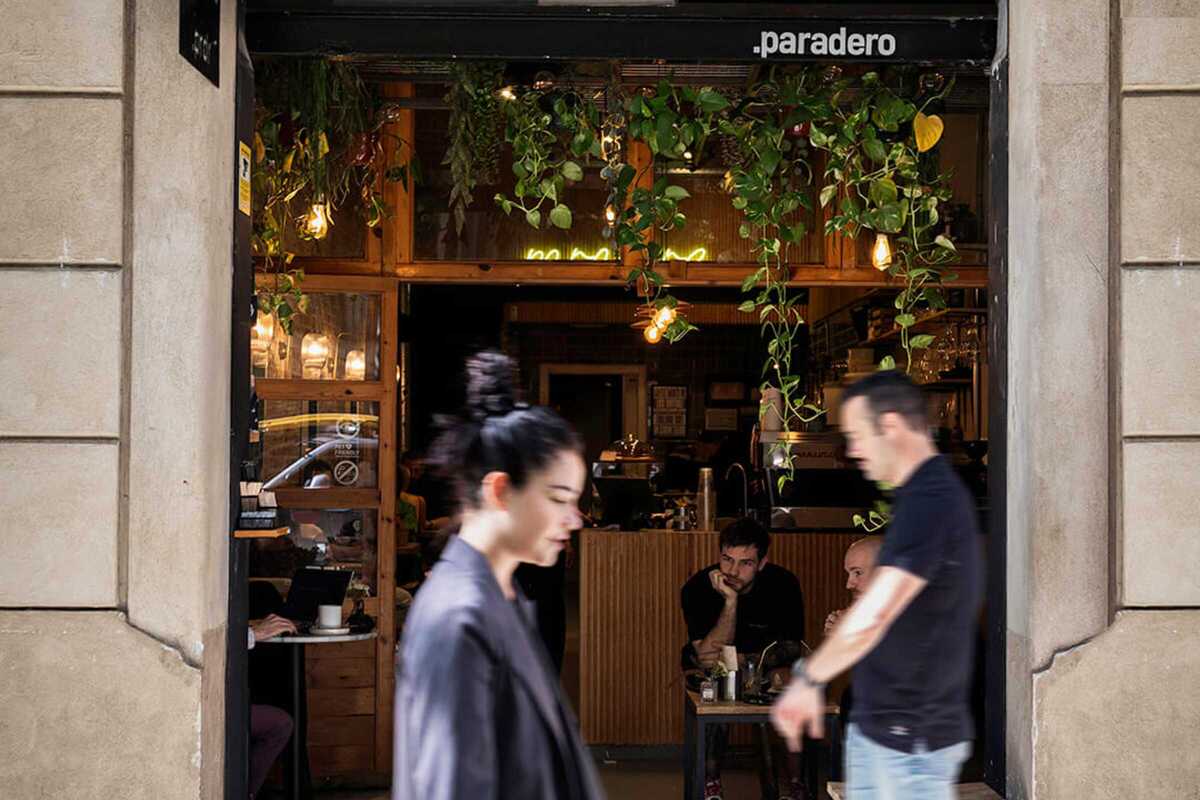
“Knowing when and where to stop makes the difference” – a fitting motto for a place called Paradero (a stopping point). On Comte Borrell, at the edge of Sant Antoni, it’s earned a steady weekend line for doing two things well at once: serious specialty coffee and a brunch worth lingering over.
The coffee comes from local and international roasters, pulled on La Marzocco machines, so the cup holds up next to the plate. And the plate is the draw. The kitchen runs a tight, made-to-order menu with plenty for vegetarians and vegans: avo toast on sourdough with guacamole, feta, confit tomato and pomegranate; huevos benedictinos on brioche; Turkish eggs poached into spiced yogurt with smoked paprika and dukkah; a mushroom toast with smoky eggplant and goat cheese. For bigger appetites, the roast beef focaccia with pickled cabbage and Gruyère does the job.
The room is homey and unhurried, which is the point – they don’t take reservations, so turn up early or be ready to wait with a coffee in hand. Worth the pause.
Address: C/ Copons, 7 (Barri Gòtic)Hours: Closed today
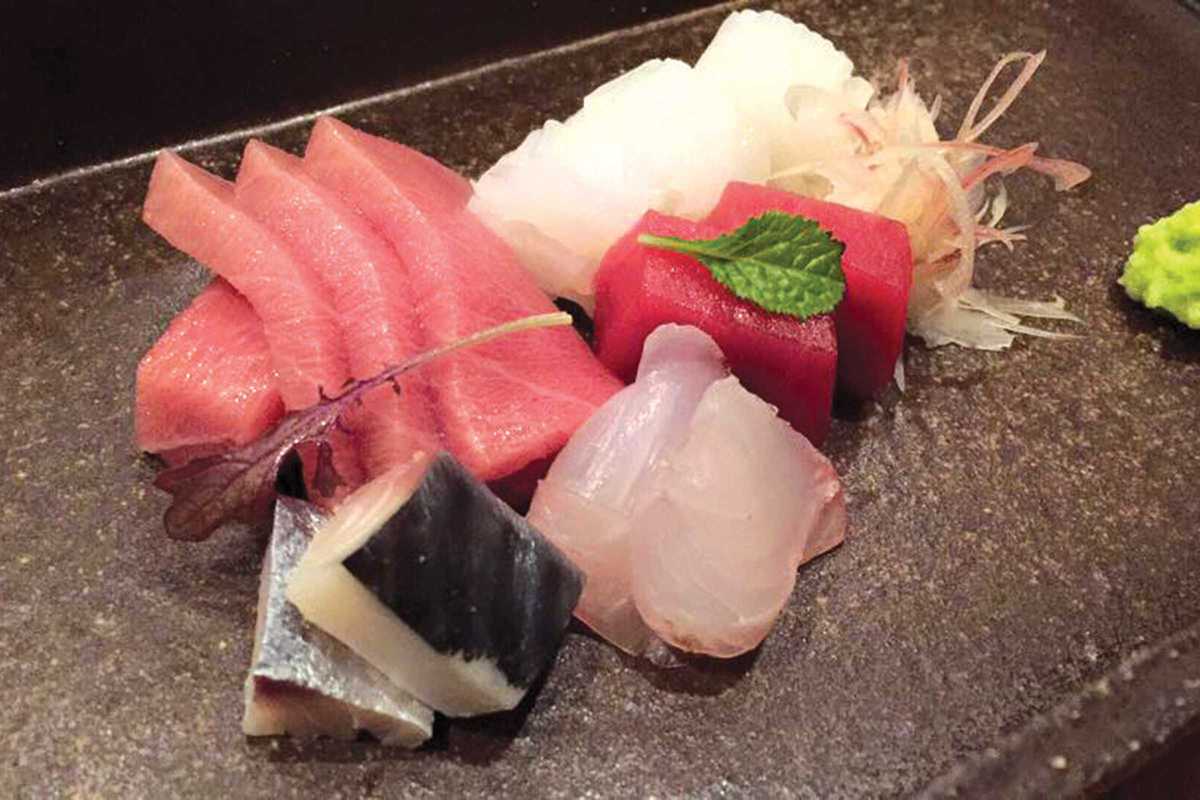
Twenty-nine of Barcelona’s restaurant made it into the 2019 Michelin Guide, including a returning favorite in Koy Shunka. Located in the Barri Gòtic, this spacious locale is said to be one of these best Japanese restaurants in Europe, offering creative dishes with impeccable presentation and incredible flavors.
Though à la carte options are also available, for the full experience opt for a tasting menu – there are sure to be at least a few dishes you’ll still be raving about months later. Plates get progressively larger as you move through the menu, including a generous helping of sushi and sashimi, so it’s best to go on an empty stomach. The Koy or (G)astro menus are a serious outlay.
Pricey, yes, but for sushi aficionados looking to expand their palettes it’s more than worth it. Ask for a seat at the bar and watch the master chefs at work.
Address: C/ Entença, 57 (Eixample Esquerra)Hours: Closed today
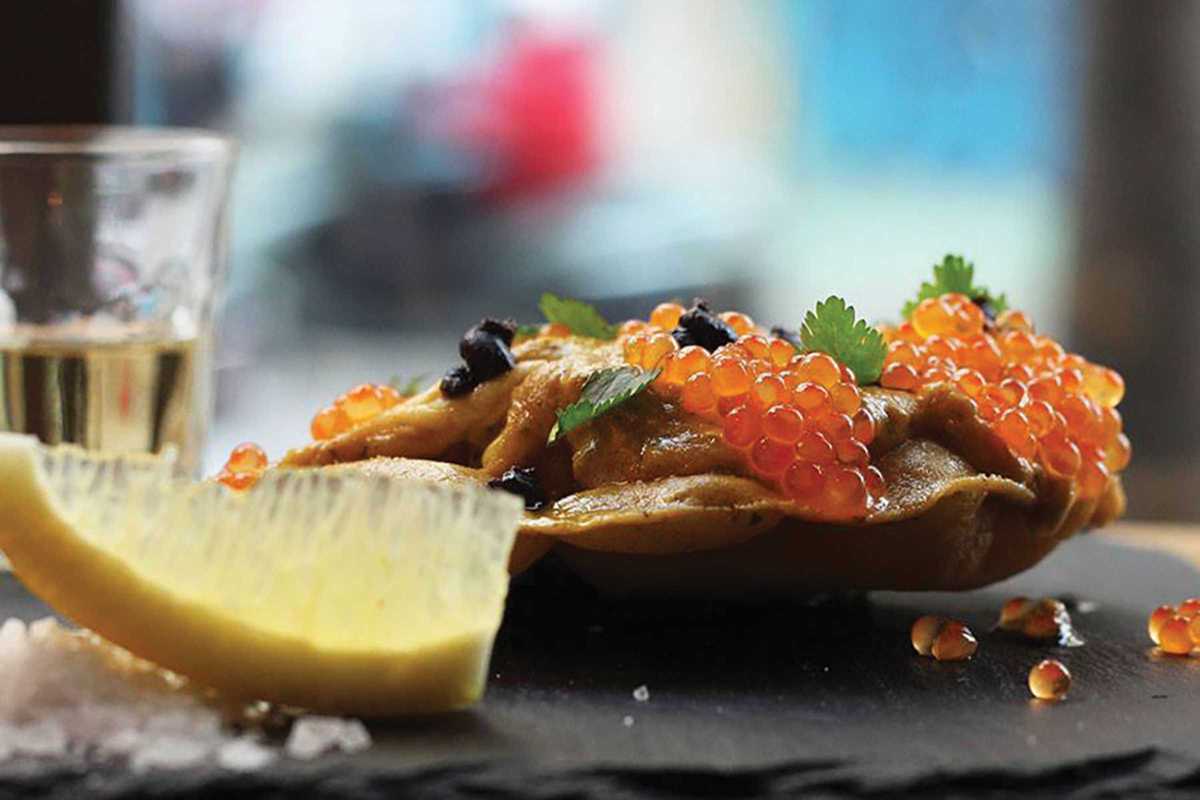
Rice in this city tends to arrive one of two ways: the seafront pan cooked for whoever walks past, or the old-guard arrosseria where the recipe hasn’t moved in forty years. CruiX found a third. Since November 2017 chef Miquel Pardo has run this small, brick-walled room on Carrer d’Entença, a short walk up from Plaça Espanya, and it holds a Michelin Bib Gourmand.
Pardo grew up in Onda, in Castellón, and came up through serious kitchens: Jordi Cruz at Abac, Rafa Peña at Gresca, Albert Adrià out in Ibiza. Then he took over a former Galician bar and made it his own. What he runs is a tasting menu rather than an à la carte paella house – a procession of small, inventive plates that ends with a rice pan set in the middle of the table to share. The tapas are where he plays: Peking duck croquettes with a touch of mint, fuet nigiri, fish tacos under a black garlic mole.
Then the pan lands and the meal reorients around it. Pardo spreads the rice thin across a wide pan so more of it meets the fire, which is how every serving arrives with socarrat, the caramelized crust at the bottom that Valencians will argue about all afternoon. The lineup rotates: a classic Valencian paella, a baby squid black rice under aioli mousse, a rice with lágrima ibérica and eggplant. There’s reliably a vegan one too. Tasting menus start from around €45.
It’s a small room and it fills up, so plan ahead – and pace yourself through the tapas, because the pan is the part you came for.
Address: C/ Verge, 1 (El Raval)Hours: Today 9:00–18:30
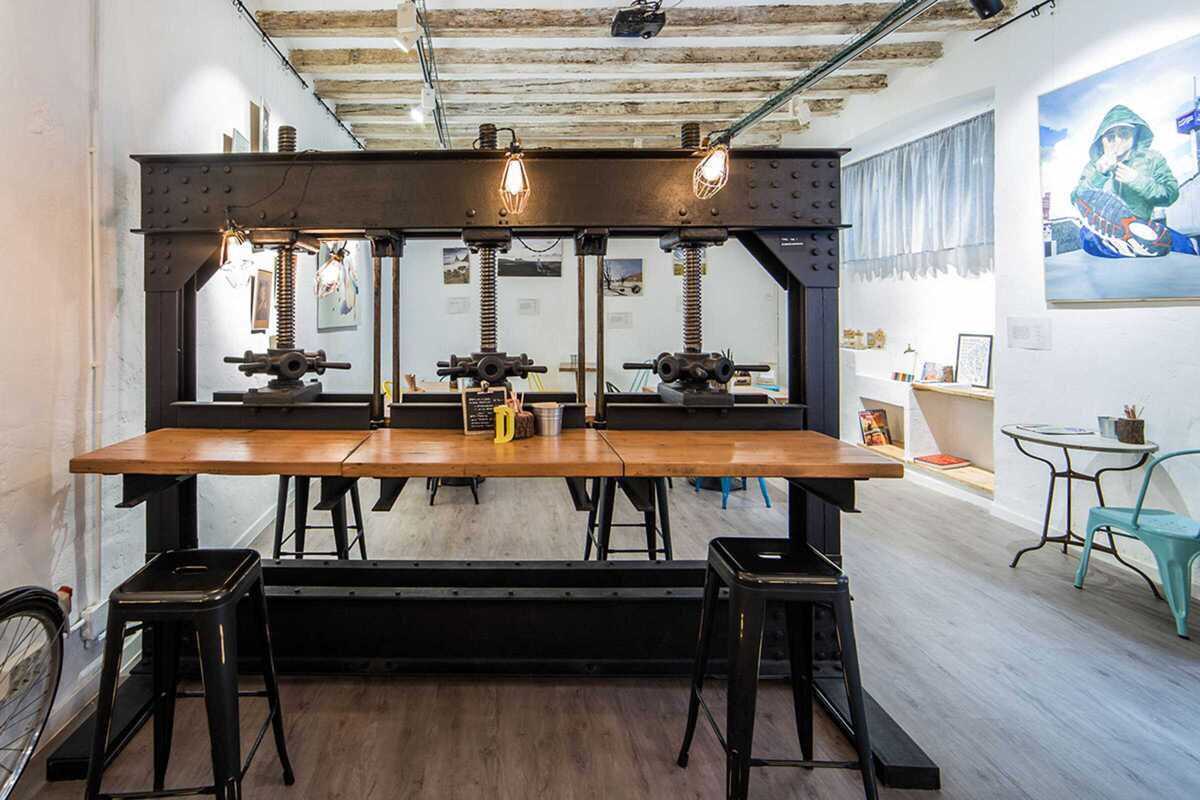
The Raval isn’t short on noise, but it is short on calm. Enter Departure Coffee Co. – a little oasis down one of the quarter’s tiny side streets, equal parts coffee bar and art gallery. Xavi and Raquel opened it in 2017 inside a former carpentry workshop and left the bones intact: raw, pared-back, high-ceilinged, the kind of room that rewards an hour with a notebook. The walls earn their keep too, with exhibitions that turn over every few weeks.
The coffee is the serious draw. They pour beans from local roaster SlowMov, dialing each one to its own temperature curve to coax the flavors out of the cup, and brew across V60, pour-over, cold brew and espresso. The result is consistently rated among the best in the neighborhood – careful, unfussy, made by people who clearly care. For anyone who wants to go past drinking it, they run courses in the craft of specialty coffee.
It’s not a place that announces itself, and that’s rather the point. Those in the know slip in for a quiet, properly made cup, a look at whatever’s on the walls, and a corner to get some work done. A genuine departure from the chaos outside.
Nightlife
Address: C/ Nou de la Rambla, 113 (Poble-sec & Montjuïc)Hours: Today 23:59–4:00
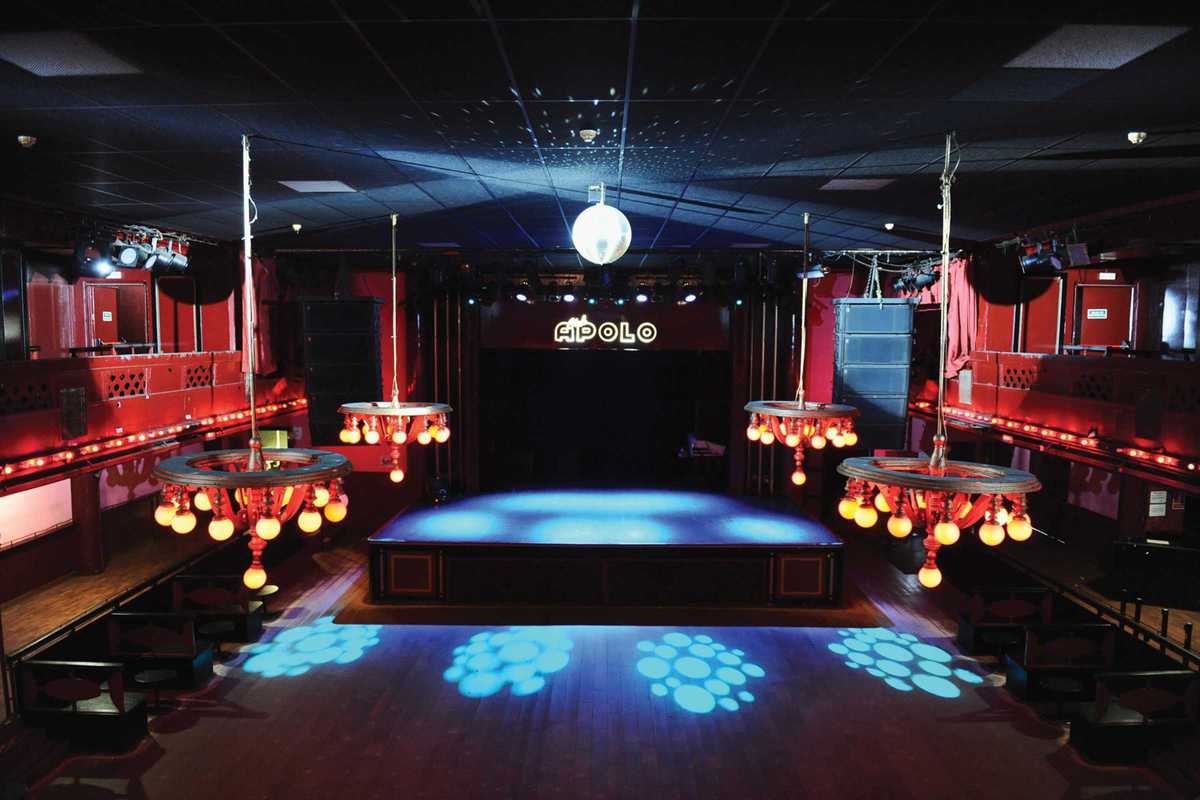
The area around Avinguda del Paral•lel has always been at the heart of Barcelona’s nightlife. Famed for its theaters and music halls since the beginning of the 20th century, it continues that tradition today, including the ever-popular club and concert venue Sala Apolo.
Founded in 1943 as a dance hall, the main room still retains that look and feel, but club nights range from Nasty Mondays and reggae with the Caníbal Sound System on Wednesdays to Nitsa, their Friday and Saturday electronic music session. Both the main room and second space La [2] de Apolo host live concerts Monday to Sunday, ranging from tour dates by major artists to Caprichos de Apolo, which offers a diverse selection of music from around the world.
La [3] lounge bar completes the picture.
Address: C/ Consell de Cent, 261 (Eixample Esquerra)Hours: Today 17:00–0:00
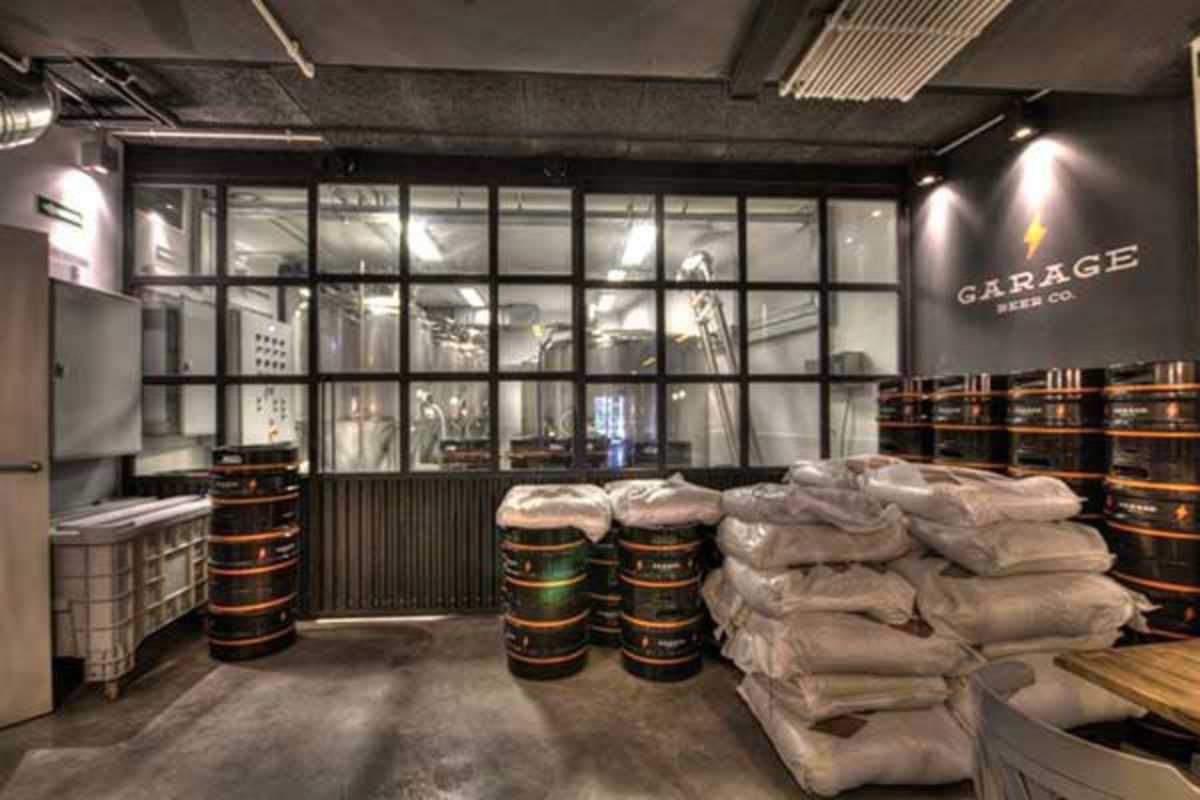
Opened in 2014, this UK-style brewery is one of Barcelona’s most central stops for quality brews. Their laser-sharp focus is admirable: they are a “beer company” first, not a brewpub – the beer comes first, everything else is secondary.
And the quality of their beers shines through. They launched with three beers and currently regularly produce seven, including Riba lager, Blacksmith imperial stout and deliciously hoppy Garage IPA. They carefully add varieties one at a time, making sure they nail each one. Garage round out their offering with a selection of beers from other brewers too.
The food is worth a mention as well: tapas, sandwiches and finger food like nachos are on offer. Garage also host frequent cultural events and support local artists.
Address: C/ Basses de Sant Pere, 10 (El Born)Hours: Today 12:00–23:30
Little did Alex know that his move from London to Brussels to pursue a career in politics would change the course of his life. As often happens when one goes to Belgium, it didn’t take long for him to discover the joys of Belgian beer. The lusty lambics. The sultry saisons. Then Alex met a Barcelonian called Carlota and found himself asking, “What if?”
A couple of resignations later, Alex and Carlota were setting up home in Barcelona. Alex began guest brewing Barna-Brew’s range of Moreneta beers, distributing them to local bars and picking up awards along the way. Spurred on by the success, he found a space to call home on the suitably chic Carrer Parlament, where he opened an industrial-scale brewery and a beautiful bar where you can quaff your way through the Belgian-Catalan inspired brews. Later, they moved to the trendy Born neighborhood
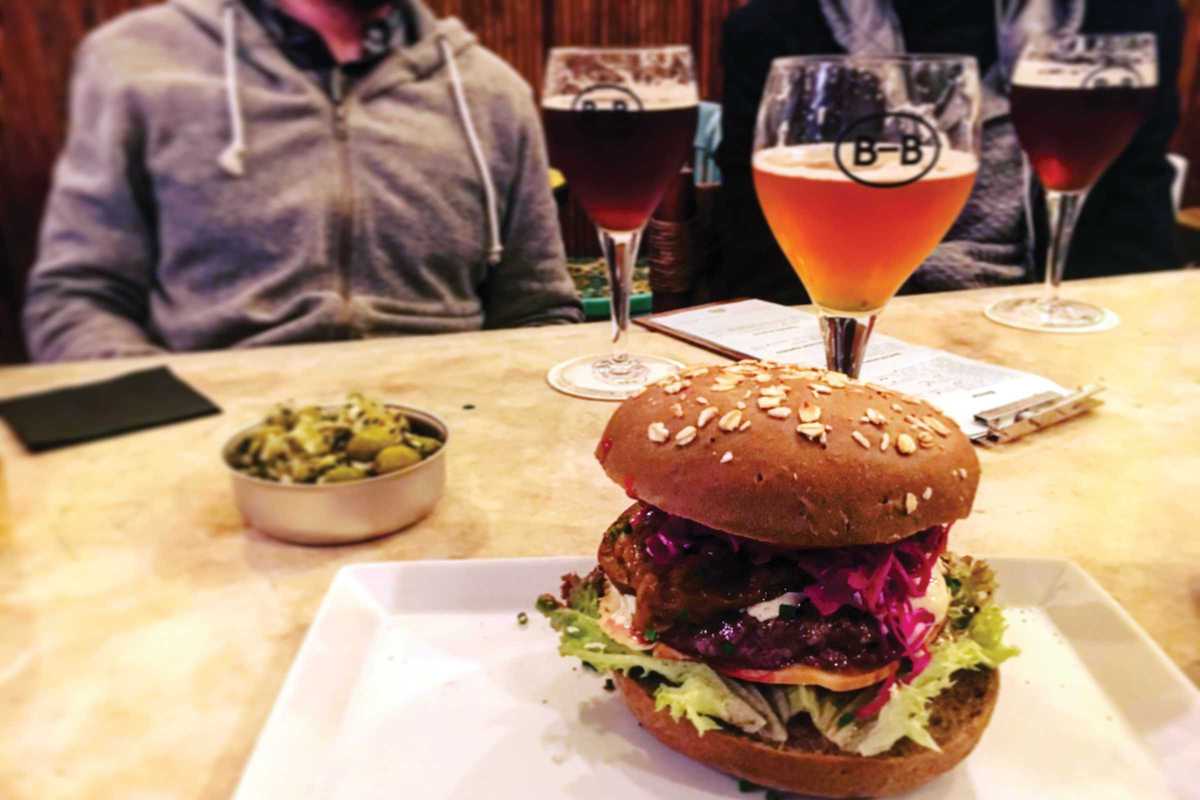
The “beermut” tapas are perfect sipping companions, while the meaty Moreneta Burger is proper beer-drinking grub. And they lived happily ever after.
Address: C/ Bergara, 10 (Eixample Dreta)Hours: Closed today
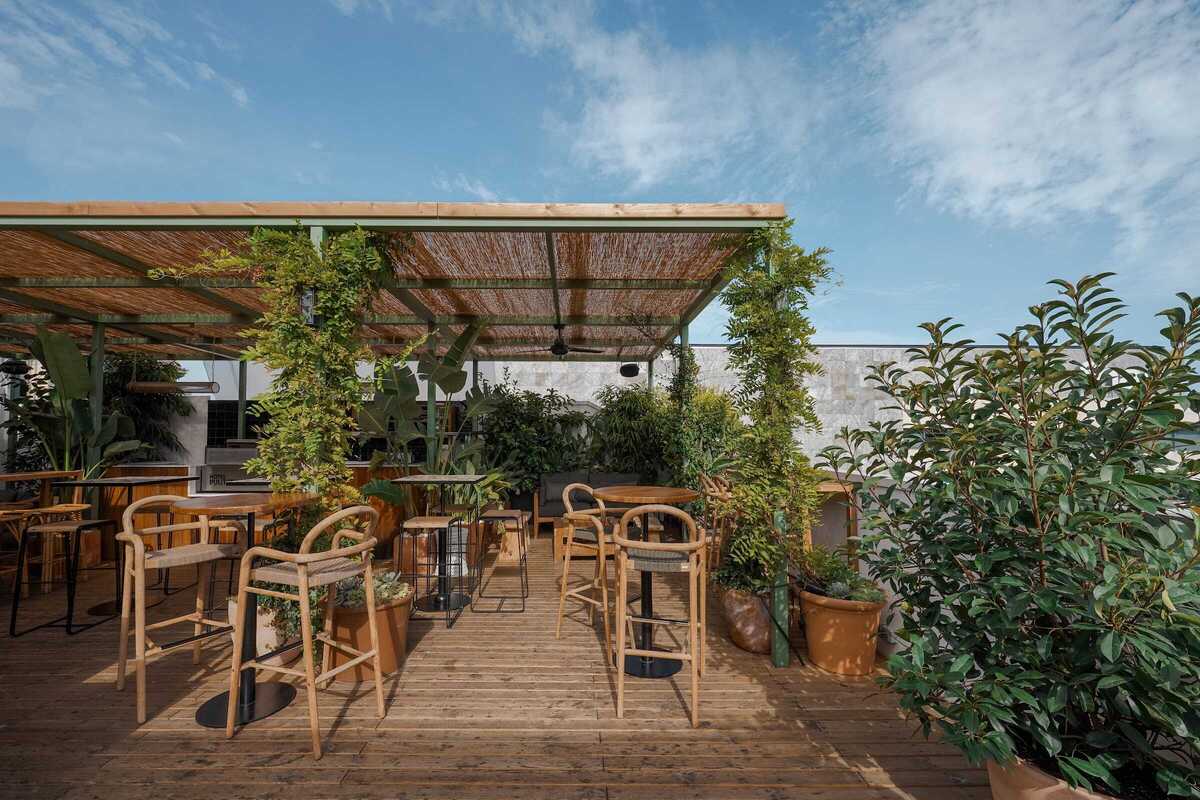
Barcelona has no shortage of rooftops that treat the sunset as the entire program. Terrassa Pulitzer books DJs instead.
From May to October the terrace runs #BuenasTardesPulitzer, and the bookings are as good as the view. Wednesdays see concerts from the independent scene – pop, electronic, funk – while Thursday through Sunday DJ sessions draw from local clubs and collectives. That decision is why the crowd skews local, and the lineups have gotten better year on year instead of just providing background music to people taking pics of the skyline.
It helps that the space doesn’t read as a four-star hotel amenity. A block off Plaça Catalunya on Carrer de Bergara, its low wooden furniture, cushions and greenery help you forget about the building underneath you – it feels closer to a friend’s terrace than a hotel rooftop. The kitchen serves up sharing plates: truffle croquettes, Andalusian-style squid with citrus mayo, a chicken tikka sandwich, an ensaladilla rusa. The cocktails are on point too.
The season is short and the space is small, so get moving when the weather and the music are right.
Address: Plaça Santa Maria, 5 (El Born)Hours: Today 12:00–0:00
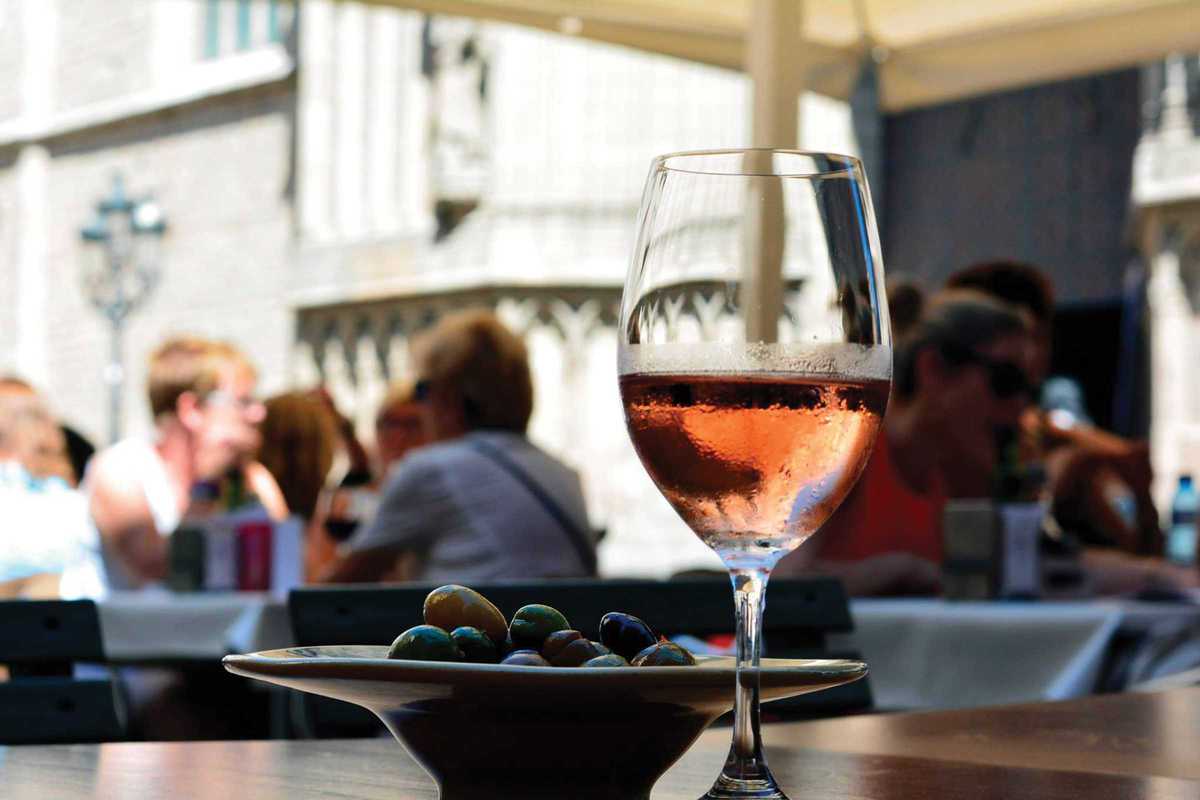
Resting at the foot of the Gothic Santa Maria del Mar church, this diminutive wine bar packs a colossal punch and is widely revered as one of the city’s very best. If you’re lucky enough to squeeze inside, you’ll find a few poser tables to perch at on the ground floor and a snug area on the upper floor.
Mainly, however, indoor space is reserved for more important things, like cases upon cases of wine. There are around 400 references in stock at any one time, 20 of which are available to sup by the glass. But of course, it’s the coveted outdoor terrace that steals the show, where a fortunate few get to while away an afternoon with the aromas of fine wine and the sonorous sounds church bells washing over them.
La Vinya del Senyor (“The Lord’s Vineyard”) is a harbor for hedonists – a religious experience, even for heathens.
Address: C/ Muntaner, 114 (Eixample Esquerra)Hours: Today 19:00–2:00
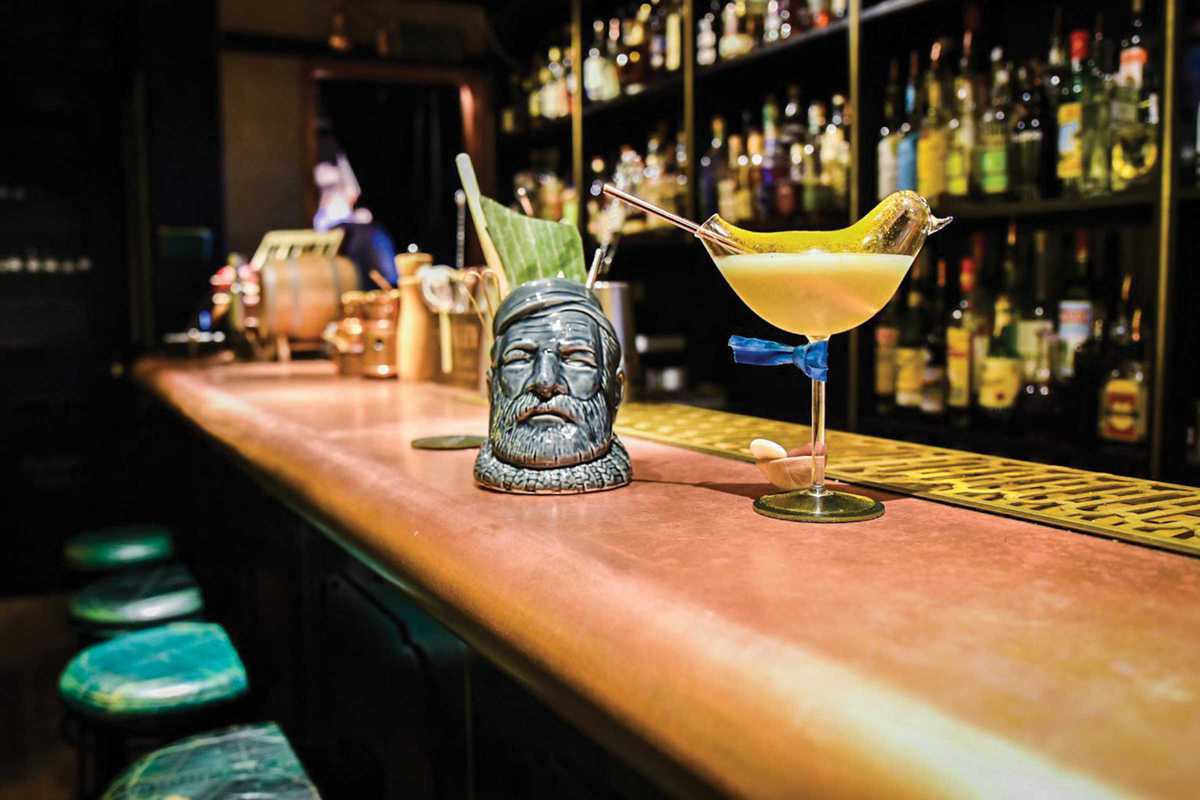
Ernest Hemingway once said to “never sit a table when you can stand at the bar,” which makes me think he’d be rather impressed with this cozy little cocktail joint. It’s a shrine not only to the writer’s work, but also to the way he lived.
“I wanted to create a place where Hemingway himself would be happy to drink – where he could sit and relax at the bar and talk to the bartender,” explains Luca, the owner. It’s a gorgeous space. Green leather stools line a solid copper bar, complemented by dark wood paneling etched with the names of the master’s iconic novels.
Naturally, you can sip all of Hemingway’s favorite tipples, from the simple scotch & soda to gimlets and martinis. Start with a punchy Papa Double Daiquiri, just like Papa liked his, before moving on to the ultra-creative house concoctions. This is the place “to have and have another.”
Address: C/ Botella 7 (El Raval)Hours: Today 20:30–2:00
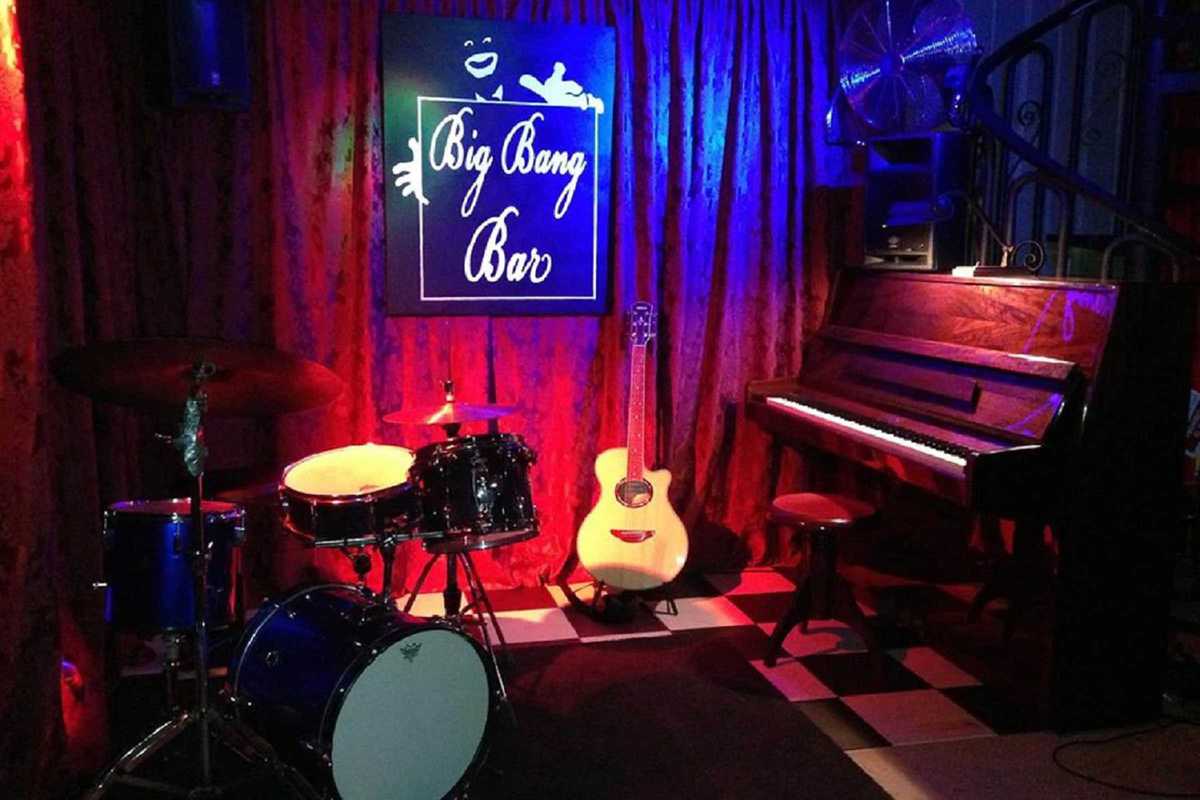
What came before the Big Bang? God only knows. What’s for sure is that it’s long been a mecca for local musicians and traveling tunesmiths looking to share music on an intimate stage.
Hidden away down a backstreet in Raval, the Big Bang Bar is an atmospheric gem of a venue. With four open mic/jam nights dedicated to select genres – from jazz and swing to rock, folk and soul – as well as concerts from some of the city’s talented performers, there’s no wonder the place is regularly packed out. A cozy stage and a crystal clear sound system create the ambience, while the long narrow bar and giant screen projection of the stage add depth to the room and audience.
And what an audience. Quick to show warmth to nervous newbies and raise the roof for special talent, Big Bang Bar’s crowd make this a truly unique place.
Address: C/ Santa Teresa, 1 (Gràcia)Hours: Today 19:00–2:00
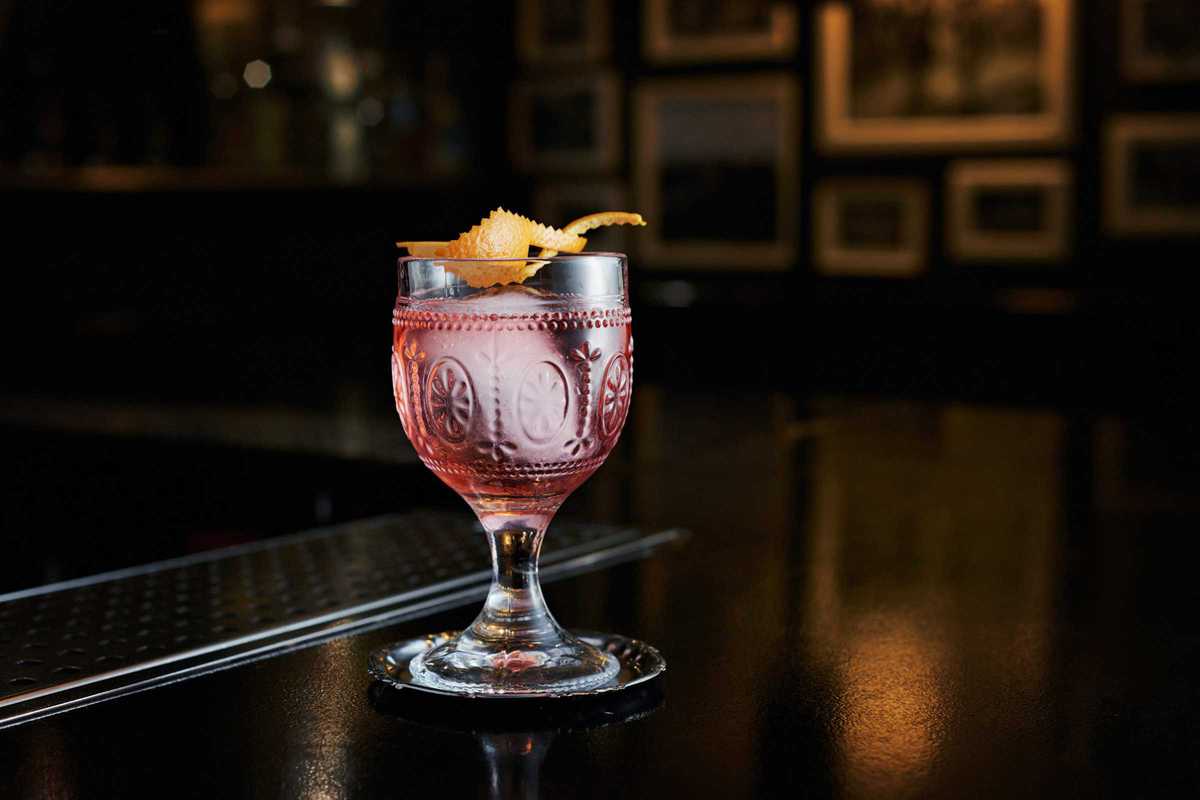
Emulating ‘20s and ‘30s US Prohibition-era speakeasies, this tiny cocktail bar was inspired by the American tradition of Kentucky bourbon and rye whiskey. Old Fashioned was opened on December 12, 2012 (12-12-12) by founders Luca and Bruno, who formerly ran the bar at a luxury, 5-star Barcelona hotel. The pair soon filled the space with over 100 kinds of rye and bourbon, including the prized Pappy Van Winkle bourbon.
Whether you’re thirsty for a Bloody Mary, a passionfruit mojito, a pisco sour or one of their Old Fashioned cocktails, presentation is key here. One Old Fashioned, Your Ball’s in My Hand, comes in a black ball glass, cradled in a golden hand. Grab your drink and find your way upstairs to the Kentucky room, showcasing the owners’ visit to the Four Roses distillery.
Casually elegant, don’t you dare enter wearing baseball caps or flip flops. But do request the Rolling Stones… they’ll play it if you’re willing to stick your tongue out like Mick Jagger.
Style & design
Address: Av. Rius i Taulet, 120Hours: Closed today
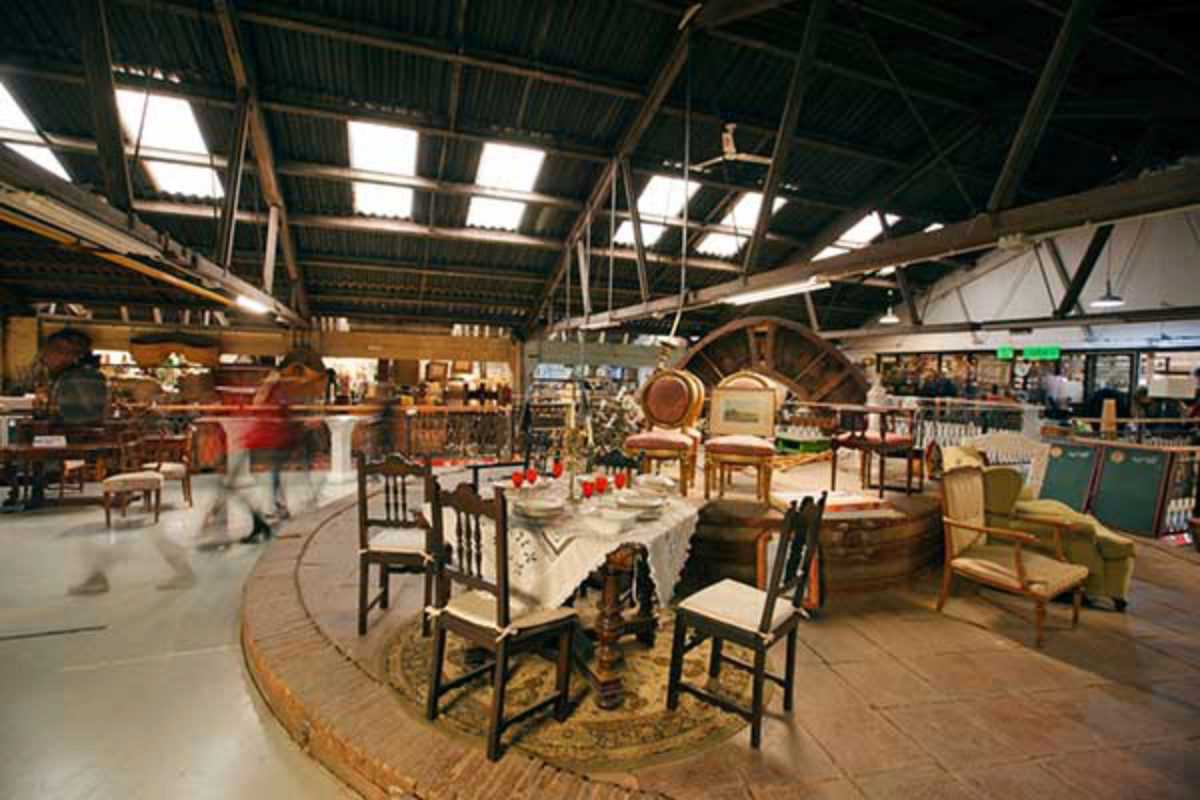
Sant Cugat has certain connotations. It is generally associated with tennis clubs, pearl earrings and center-right politics, almost like a Catalan Hamptons. Aside from the occasional calçotada, it’s hard to imagine many motives to attract visitors from Barcelona and beyond. They say money can’t buy taste, but the charming antiques market in the suburbs of this affluent town is more Ouen than Encants.
Open since 1992, Mercantic welcomes thousands of visitors each week, from rich folk prepared to shell out for a mid-century chaise longue to bargain hunters searching for an alternative to Ikea. Its humble entrance betrays 10,000 m2 / 100,000 ft2 of permanent stalls contained within a series of warehouses and a couple of arcades, complemented by a selection of pop-up vintage sellers lining the wide walkways at the weekend.
Furniture, books and music are well represented, as are ornaments and collectors’ items to give your home a touch of individuality. Saturday or Sunday are the recommended days to pay a visit to this institution, when you can enjoy an old-time live performance with your vermouth in the ornate concert hall, or go all out and plump for a set menu in one of the traditional restaurants within the complex. The curiously English-style pub named Café Belgrado just outside the gate is also a decent option.
Slightly out of character with the rest of the market, but a welcome addition nonetheless, is a sizable space belonging to La Puntual, a gallery dedicated to temporary exhibitions of modern art. Mercantic is easily accessed by the FGC light railway, but you’re sure to want to go back with your own transport once you clap eyes on the vintage treasures on offer.
Address: C/ Vic, 15–17 (El Born)Hours: Today 12:00–20:00
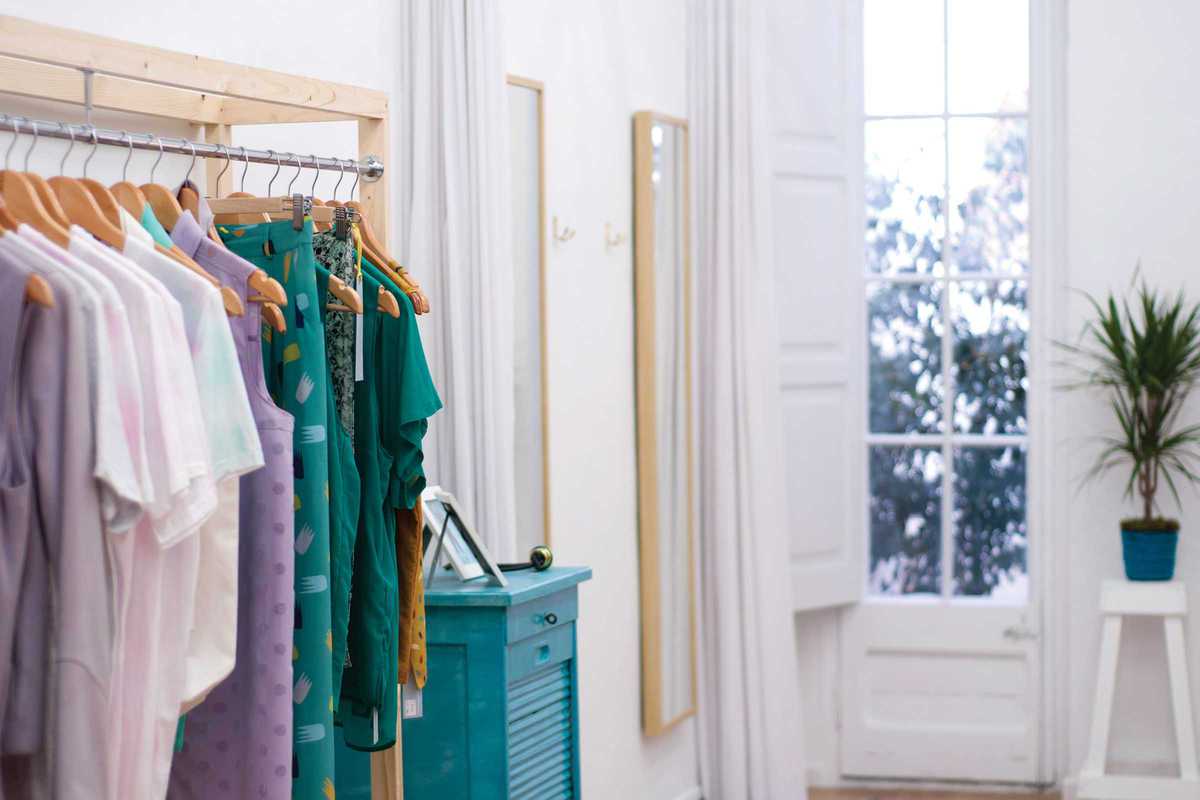
Colmillo de Morsa, which translates as “walrus fang,” is a sustainably conscious fashion label from Barcelona founded by designer Elisabet Vallecillo together with marketing professional Javier Blanco.
All pieces are made by hand using toxic-free materials in their workshop in Sant Pere. The style is feminine and casual, and the garments use light fabrics like cotton, silk, rayon and Tencel, making them perfect for the warmer summer months. Having showcased their creations at Parisian fashion fair Who’s Next, Madrid’s Cibeles Fashion Week, and Barcelona’s 080 Fashion Week, Colmillo de Morsa started to gain an international following.
Their Sant Pere studio-cum-showroom also stocks garments and accessories from up-and-coming local designers who share their philosophy of sustainable fashion.
Address: C/ Ferlandina, 32 (El Raval)Hours: Today 11:00–19:00
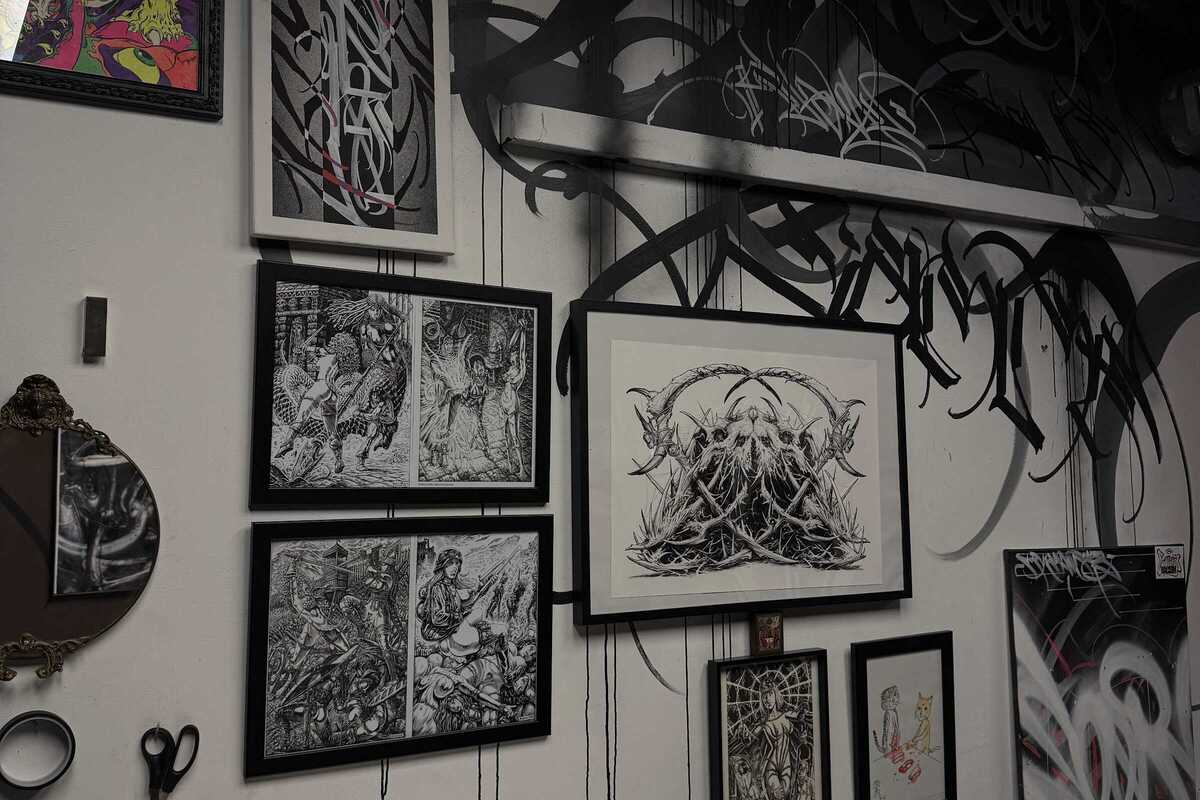
Tattoo artists Zoe works in fine line and Cortek draws designs on the spot at Signum, which opened in the Raval in 2026. The young crew includes Joaco and Mica as well, all working out of the former Siha Tattoo parlor on Ferlandina. The studio is clean and inviting; walk-ins are welcome.
Cortek aka Delcortek tattoos lettering, tribal and blackwork; he’ll do large pieces as well. Zoe posts as Zetta_ink. The studio does guest collaborations that have included Ana and Jota. The artists at this studio work mostly in black ink on ornamental, abstract and illustrative designs. Prices are reasonable and card payments are accepted.
Address: Rambla de Catalunya, 97 (Eixample Dreta)Hours: Today 10:00–20:30
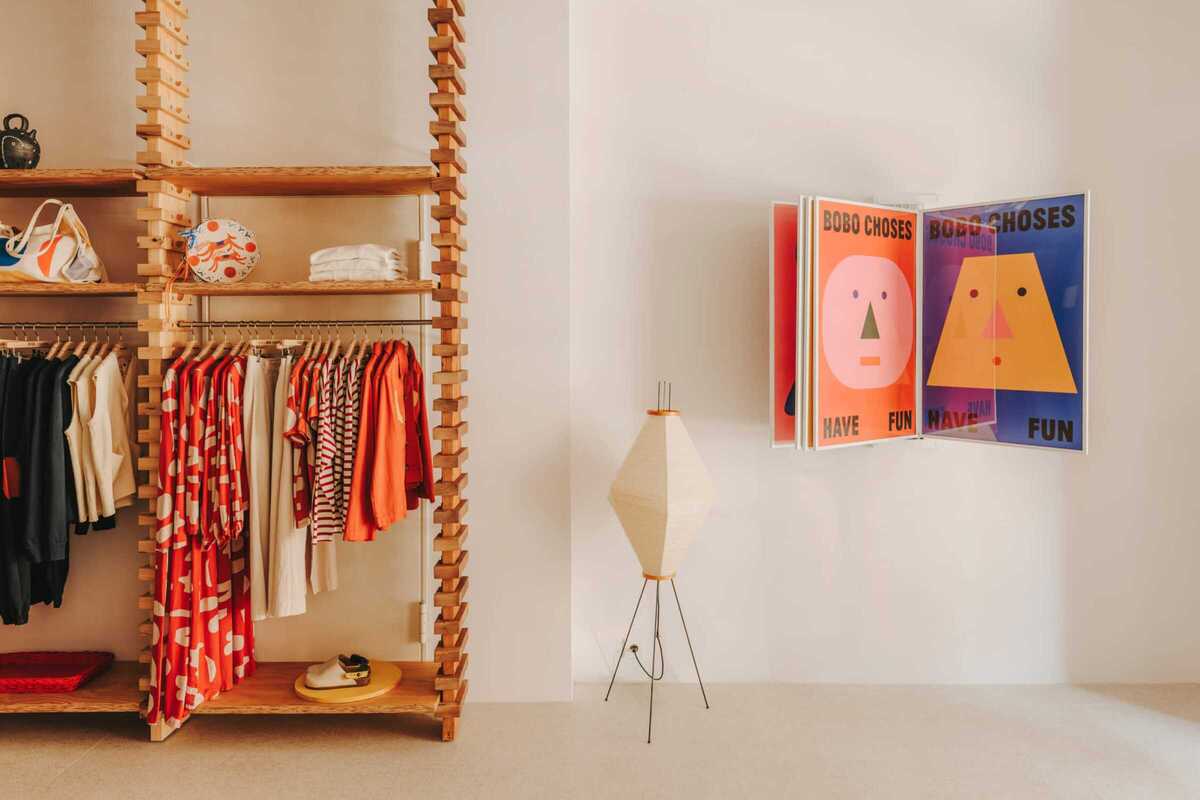
The drawings do the talking at Bobo Choses. Bananas, butterflies and clouds have all found their way onto clothes by the Barcelona label, founded in 2008 by Adriana Esperalba and Laia Aguilar. Its flagship on Rambla de Catalunya gives that cheerful graphic world a home, with collections for babies, children and women under one roof. There’s plenty here for grown-ups who never lost their taste for color.
Esperalba’s background in graphic design helps explain the appeal. Each collection begins with a story, and the illustrations carry it across sweatshirts, dresses, trousers and accessories. Past themes have drawn on Jacques Cousteau and Jane Goodall, bringing a curiosity about animals and the outdoors into the wardrobe. The prints have the loose, direct charm of a picture book; easy shapes give them room to work. A sweatshirt with a banana on it hardly needs a slogan.
The women’s line shares the same appetite for bold prints, making this a useful stop even when there are no children to shop for. For gifts, there are bags and accessories alongside the baby and kids’ collections. Seeing the range together is part of the pleasure: the same visual idea can turn up on something for a toddler and something you’d happily wear yourself. Matching is optional.
The flagship also makes space for workshops, exhibitions and events, extending the label’s interest in drawing and storytelling beyond the clothes. Check the brand’s program if you’re bringing the kids – a workshop makes a good excuse to let them choose the outing. And perhaps the sweatshirt.
Address: C/ Tantarantana, 16 (El Born)Hours: Today 11:00–20:30
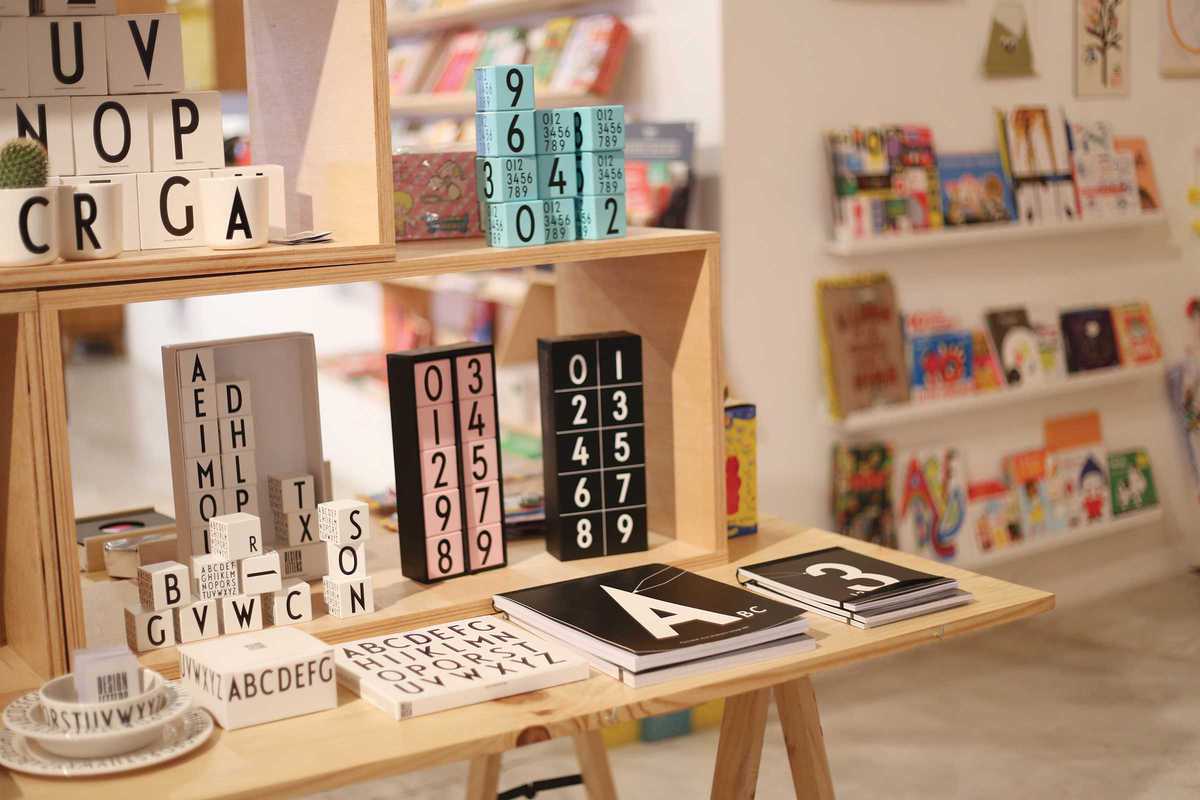
Isabel, Ángeles and Iván are the curators of a couple of sibling stores in the Born. At Chandal, they have assembled an array of articles, often retro in style if not age, whereas Impossible Project is the official Spanish supplier of film and cameras for everyone’s favorite format of instant photography.
Both stores offer indulgence for the kids of the ‘80s, hand-picking forgotten curiosities from that glorious era of bright plastic, naïve electronics and cute design. Originally springing up in the Raval, they now call the Born their home, and their loyal shoppers find them between the charming streets of Allada Vermell and Tantarantana, with entrances on both sides.
Their selection is ever expanding as Barcelonins and tourists alike return to hunt for independent design, limited-run magazines, homeware, décor and toys. Make sure you give them a follow to keep abreast of photo workshops and exhibitions.
Address: C/ Roc Boronat, 69 (Poblenou)Hours: Closed today
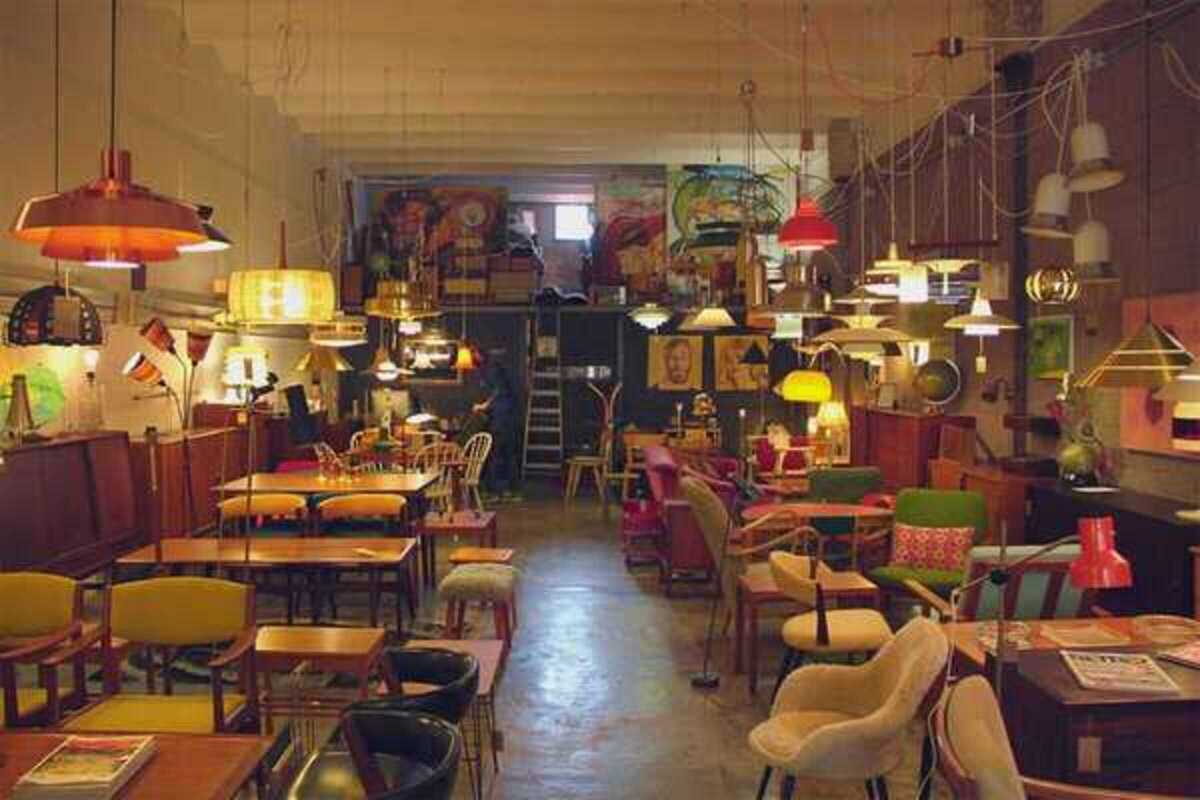
Looking for a place to buy Scandinavian Vintage Furniture in Barcelona? Look no further! Noak Room in the Poble Nou district offers a range of pieces that will bring a touch of Scandinavia to your home.
Noak Room was created by Sara Salas and Martin Noaksson, two crazy-about-decoration experts in Scandinavian design. The pair live halfway between Barcelona, the city where they opened the showroom in 2013, and Ed, a small town in western Sweden, where the pieces they acquire on their travels through Scandinavia are classified and prepared.
The pair are specialized in furniture and decorative objects of exclusively Scandinavian design and origin, mainly from the period between the 1940s and 1970s. Their showroom features pieces by renowned designers such as Ilmari Tapiovaara, Hans Wegner, Bruno Mathsson, Arne Jacobsen and many others.
Address: C/ Joaquín Costa, 33 (El Raval)Hours: Today 11:00–14:00, 16:00–20:00
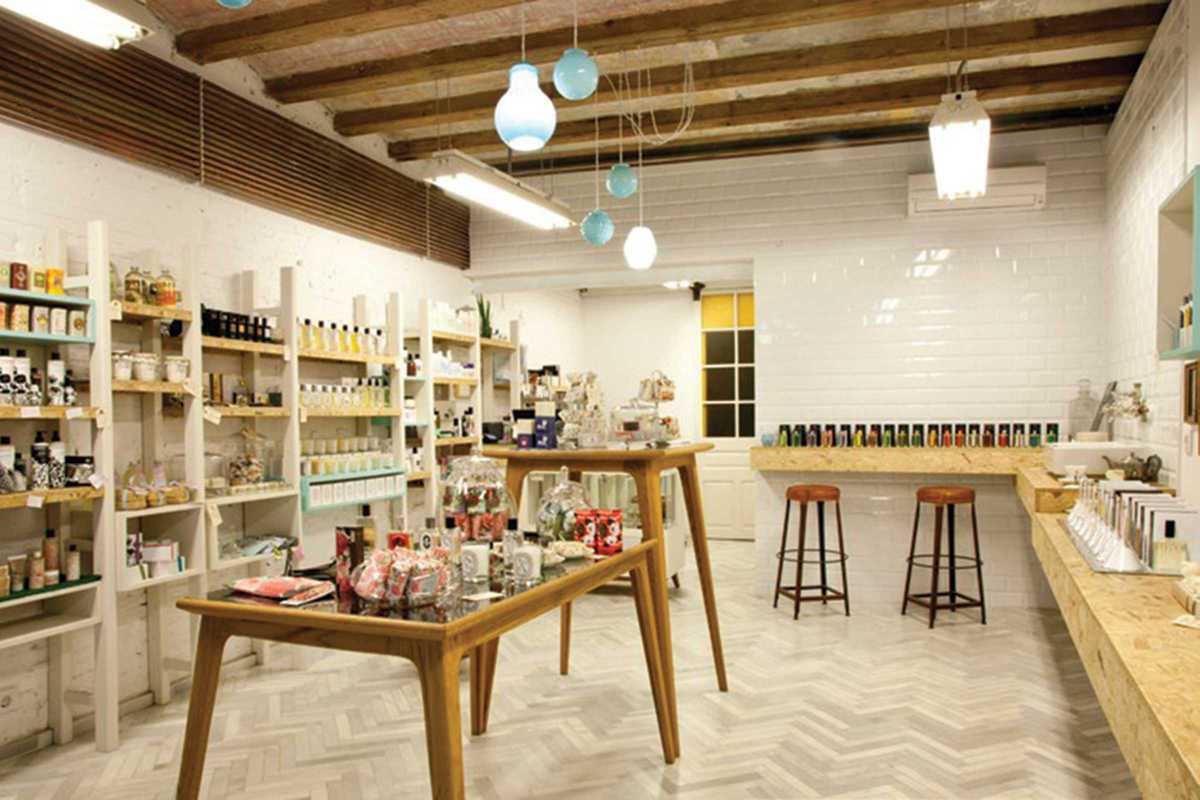
This small-but-stylish perfume, soap, and candle shop in Raval is what happens when a cook-slash-interior designer and a journalist fall in love and make a go of a business together.
Les Topettes has everything you need to keep your home, your body, and your near and dear ones smelling better than a rose garden. There’s a lot to love here, which is why, despite the knowledgeable staff on hand, your biggest problem will be deciding what to take home. But if this perfumería’s wide selection leaves you and your nose unable to decide, Buffet Libre is ready to rescue you both.
Take home an assortment of six, 2.5-ml samples of your choice and commit to something full-size at a later date. Full disclosure: it’s all too easy to become a serial sampler. As for us, we’re in a long-term relationship with Lapiz, Les Topette’s woodsy, slightly citrusy signature scent. It’s the perfect unisex, eau-de-pencil cologne for creative types like writers, artists and architects
Music
Address: C/ Requesens, 2 (El Raval)Hours: Today 19:30–1:00
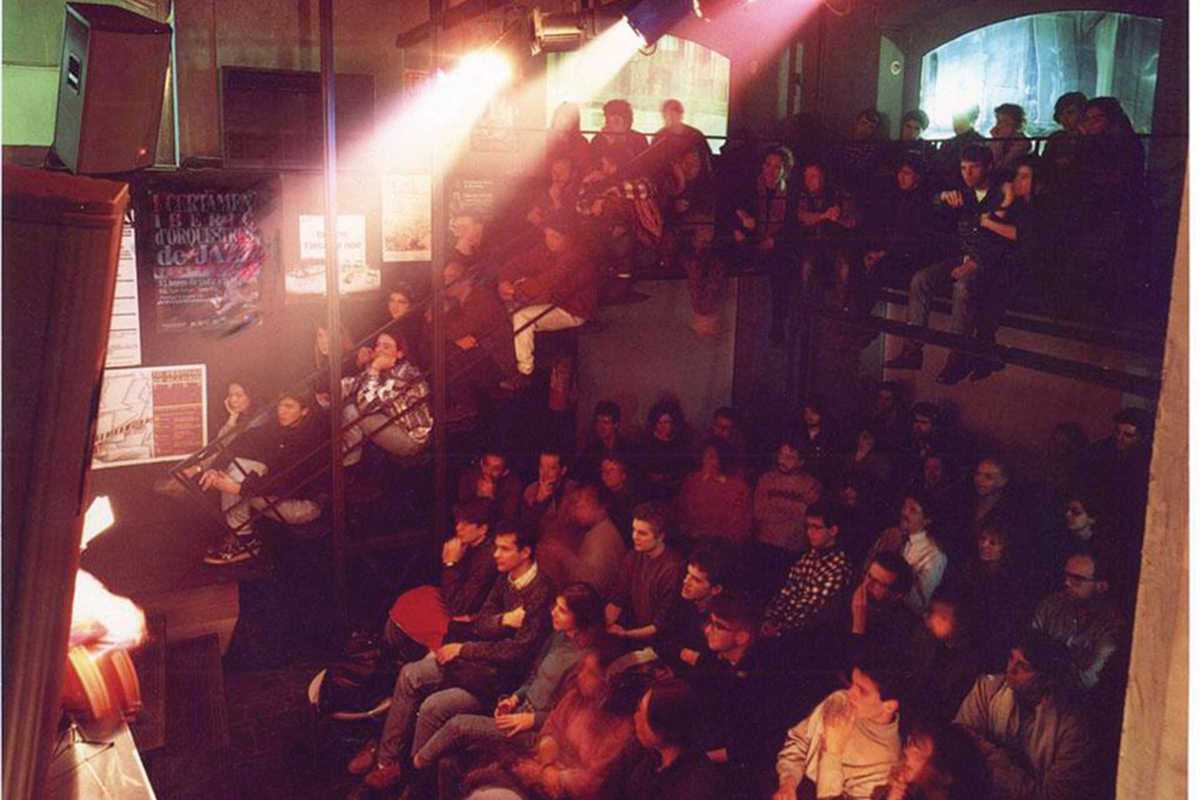
Tucked away down a side street on the outskirts of Raval is JazzSí, an intimate live music club with a reputation as one of the best small venues in Barcelona.
With historic links to the music school Taller de Músics nearby, JazzSí serves as a platform for talented young musicians as well as established performers, and is one of the few places in the city where you can see live music every day of the week. Each night JazzSí delivers a different flavor. From Monday’s masterful jazz and Thursday’s incendiary Cuban rhythms to spellbinding flamenco on Friday and Saturday (perhaps the best in the city), jazz jams on Wednesdays and pop/rock/blues jams on Tuesday and Sunday, the performances at JazzSí are passionate, vivid and utterly captivating.
And it’s always a full house. So get there early, grab a drink, take a pew, soak up the atmosphere and get ready for an unforgettable show.
Address: C/ Ferlandina, 39 (El Raval)Hours: Today 14:00–19:00
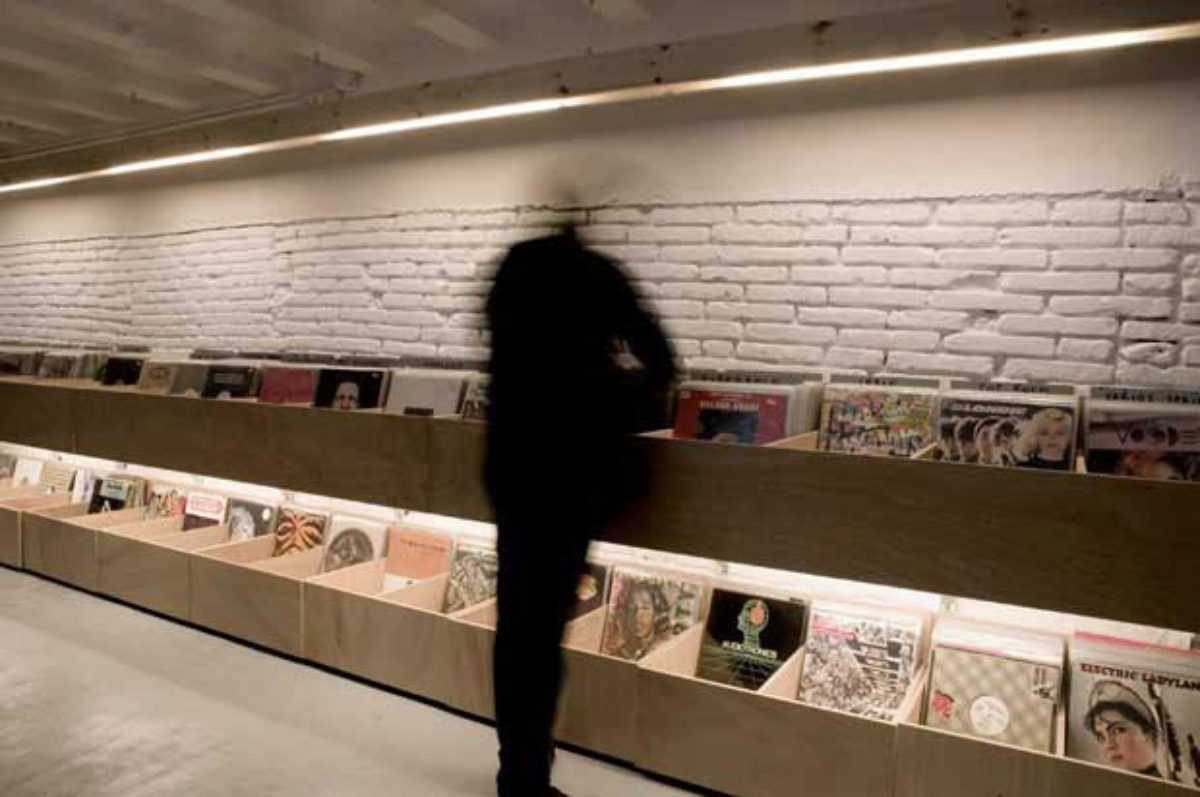
Record culture in Barcelona has taken some blows. A shift by DJs in favor of Serato (vinyl emulation) or CDs teamed with harsh laws regarding decks in bars has seen some of the city’s most essential and legendary record suppliers disappear from the landscape. It appears that independent record shops have had to evolve or die.
It is into this hostile environment that Discos Paradiso was born: a brave venture in the heart of Raval. It is a record shop that offers more than a simple shopping experience. As the Paradiso team explain, “We opened the shop to provide a space where you can share opinions, meet people and see some concerts or live DJ sets – a space where music is the main event.”
The shop is a cultural meeting ground where you can pick up books, clothing and musical equipment alongside the well-sourced and eclectic record selection. If Discos Paradiso have their way, record culture is here to stay.
Fitness & wellness
Address: Passeig Picasso 22 (El Born)Hours: Today 9:00–23:00
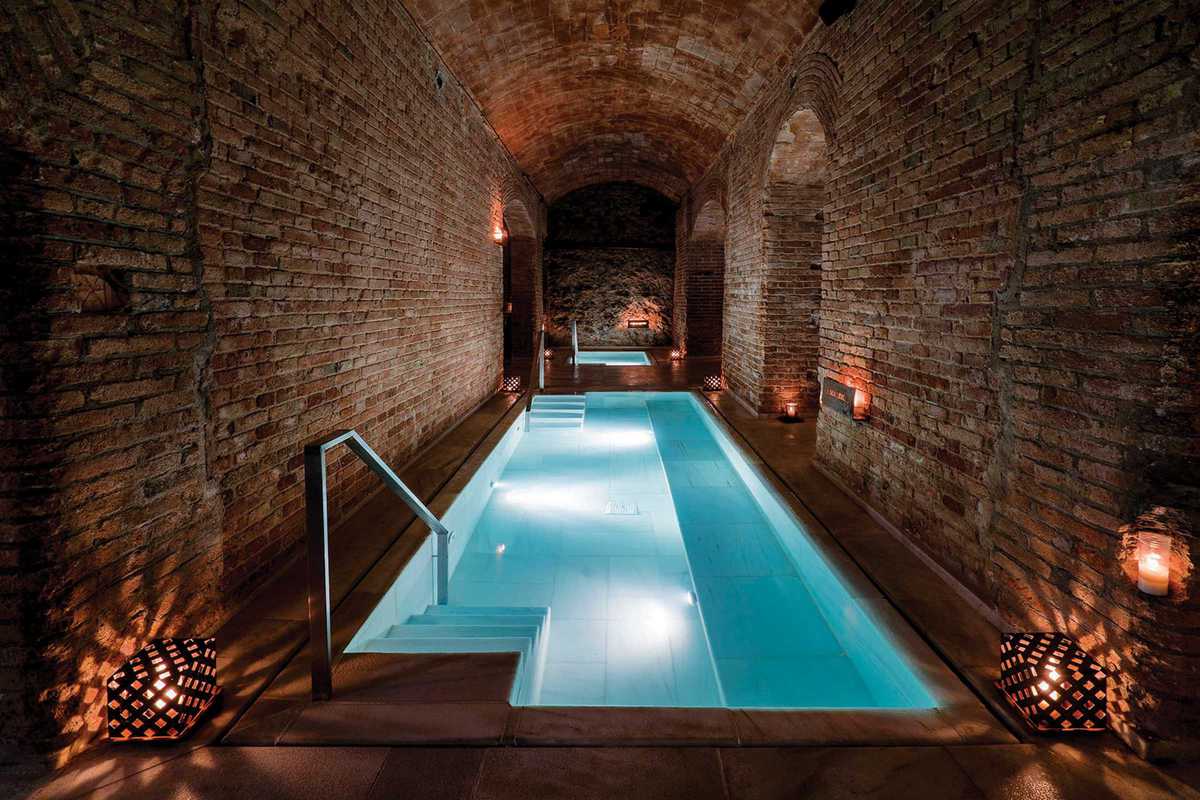
The underground sanctuary at Aire Ancient Baths in the Born is one of the city’s most relaxing spaces. Flickering candles light the way; for the length of your 90-minute session, time ceases to exist. Don’t be surprised if one of the black-clad attendants has to wake you from your steam-induced stupor to send you on your way – you won’t be the only one.
If you can, opt for a weekday morning, when you’re likely to have the pools (cold, warm, hot, jetted and saltwater) and steam room mostly to yourself. Combine a basic session with a treatment or two (the massages and scrubs are excellent) and staff may even let you linger until a new round of spa-goers appear.
Before you head back to reality via the brightly lit locker rooms, take a moment to hydrate on the hot stone lounging areas with bottomless, fruit-infused water and sweet Moroccan mint tea.
Address: Plaça Urquinaona 1, 1–5 (Eixample Dreta)Hours: Today 8:00–20:00
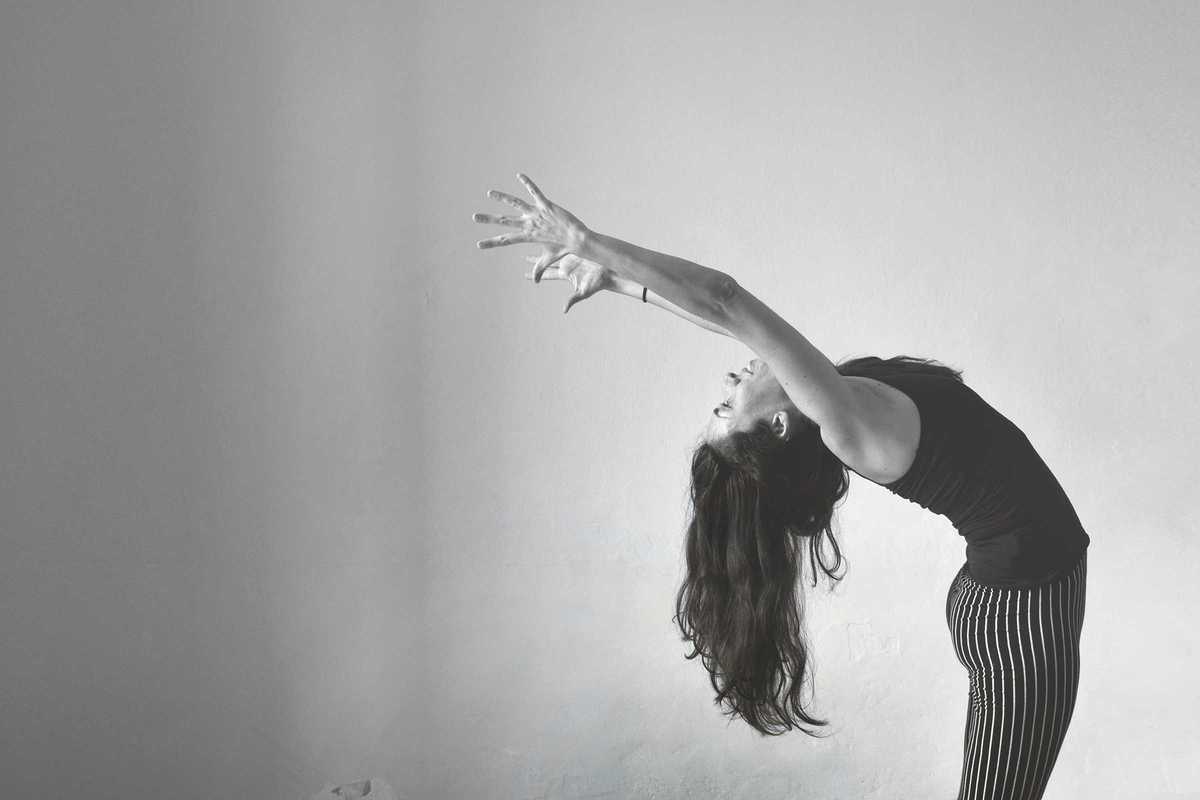
As professionals who left behind careers in business to pursue yoga, Mandiram Yoga founders Gordana and Gloria know that city life can leave people with a lot of responsibilities and little time to exercise. Having moved to Barcelona after training in India over ten years ago, they now run “urban yoga” classes in three areas of the city, providing students with spaces “to disconnect to connect.”
Their style is Hatha Vinyasa, intense and dynamic, with a focus on synchronizing breath with movement. Unlike in some other styles such as Ashtanga or Bikram that can tend toward the dogmatic, Mandiram encourages personalized learning for each student, embracing the variety offered by each of their instructors. Gloria and Gordana, of Catalan and German/Bosnian descent, respectively, have also distilled their knowledge into one of the first books ever published in Catalan on yoga: La Meva Guia de Ioga. The book (also available in Spanish) takes a practical approach to teaching, with clear explanations of philosophy and useful illustrations.
In 2013, the school opened its flagship location in a beautiful space at Plaça Urquinaona designed by Jaime Beriestain. Get to know the space or Mandiram’s other center in Poblenou (at C/ Ramon Turró, 100) with a trial session (city residents only). Mandiram also organize retreats and workshops, including introduction to yoga classes, as well as teacher training certified by the Yoga Alliance foundation.
Address: Pl. Universitat 4, 1-2 (Sant Antoni)Hours: Today 9:00–12:00, 17:00–20:00
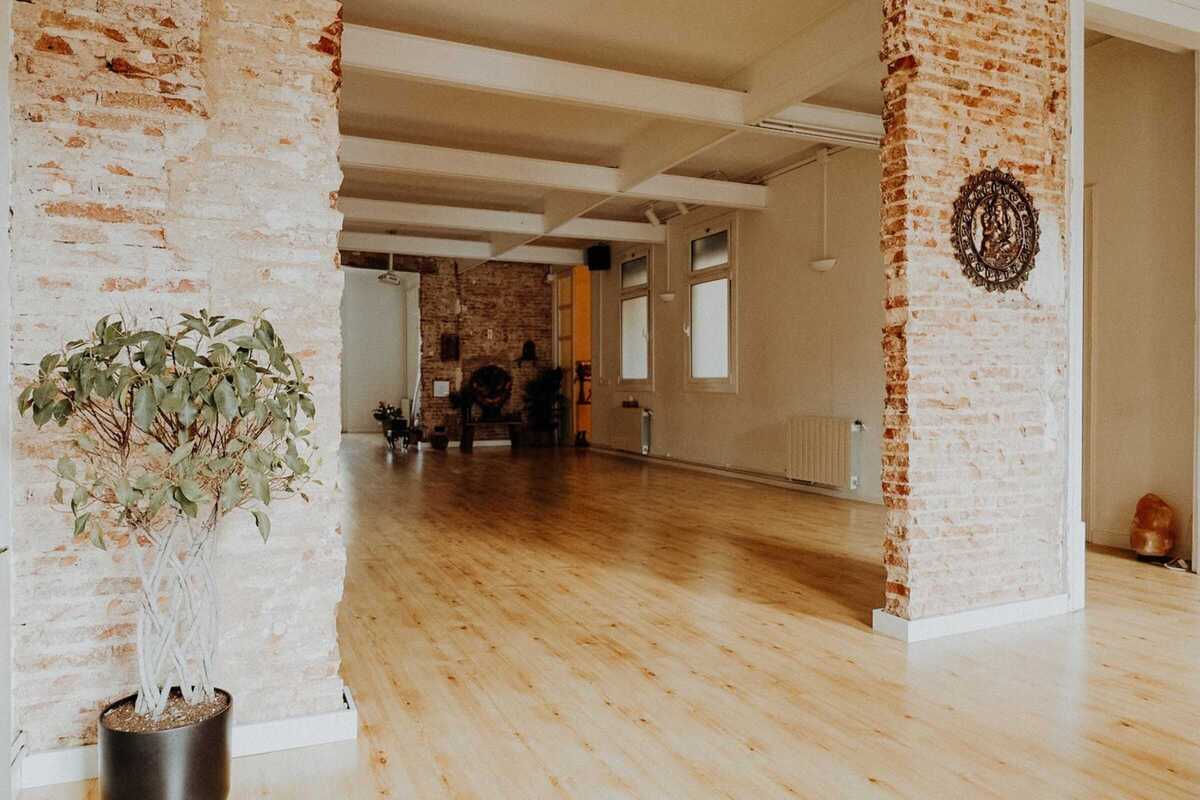
Pilar directs Yoga Studio Barcelona, which she founded with Xavier back in 2001 on Plaça de la Universitat. In its first-floor room, teachers use ropes, chairs and bolsters for restorative work. Pilar teaches alongside fellow teacher Bibi.
The teachers offer classes in Spanish, approaching yoga as a practice of self-knowledge in addition to physical exercise. Both beginners and advanced practitioners attend, with Yoga 1, Yoga 1-2 and Ashtanga among the classes, plus Yoga Estructural and Handstand. Yoga Alineación involves props, and the moderate class sizes leave time for individual attention. The studio calls the room “a bright, quiet, equipped space in the heart of the city.” Students can take a trial class before joining, with drop-ins, monthly memberships and a ten-class pass available valid for four months.
The studio also offers teacher training and runs workshops including in Vipassana meditation. They offer spaces for rent as well for workshops, training sessions and talks.
Film
Address: C/ Sant Antoni Maria Claret, 168 (Eixample Dreta)Hours: Today 15:00–0:00
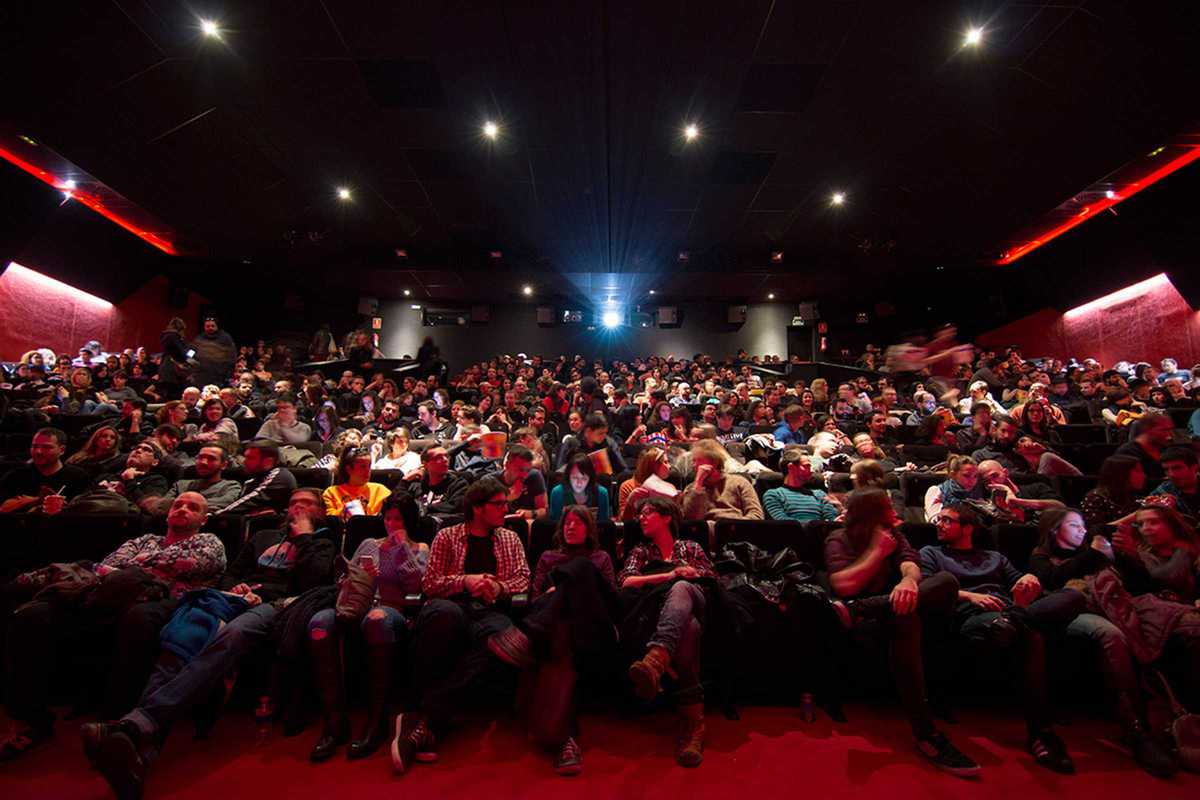
“Reality ends here” reads the welcome mat at the aptly named Phenomena cinema, Barcelona’s favorite movie-geek haunt. This is one of the biggest, most beautiful-looking and sounding rooms in Europe, and their wild and wonderful program is a masterclass in how a cinema should be used.
Owner Nacho Cerdà and his team blend the newest releases with amazing left-field oddballs, perfect double bills, special screenings and downright classics from near and far. Promising a “pure screening experience,” this is a straight-up, unparalleled, one-halled, red-velveted joy for cinephiles of all persuasion. Screening 35mm, DCP and even 70mm (the only place in Spain to do so), Phenomena goes for greatness, nailing the simple pleasures that make cinema a life-affirming wonderland.
There is something special about this place, essential for any self-regarding film lover. Who knows what its eclectic program will bring next month? It’s all part of the experience.
Innovation
Address: Ronda Sant Pau, 47 (Sant Antoni)Hours: Today 9:00–19:30
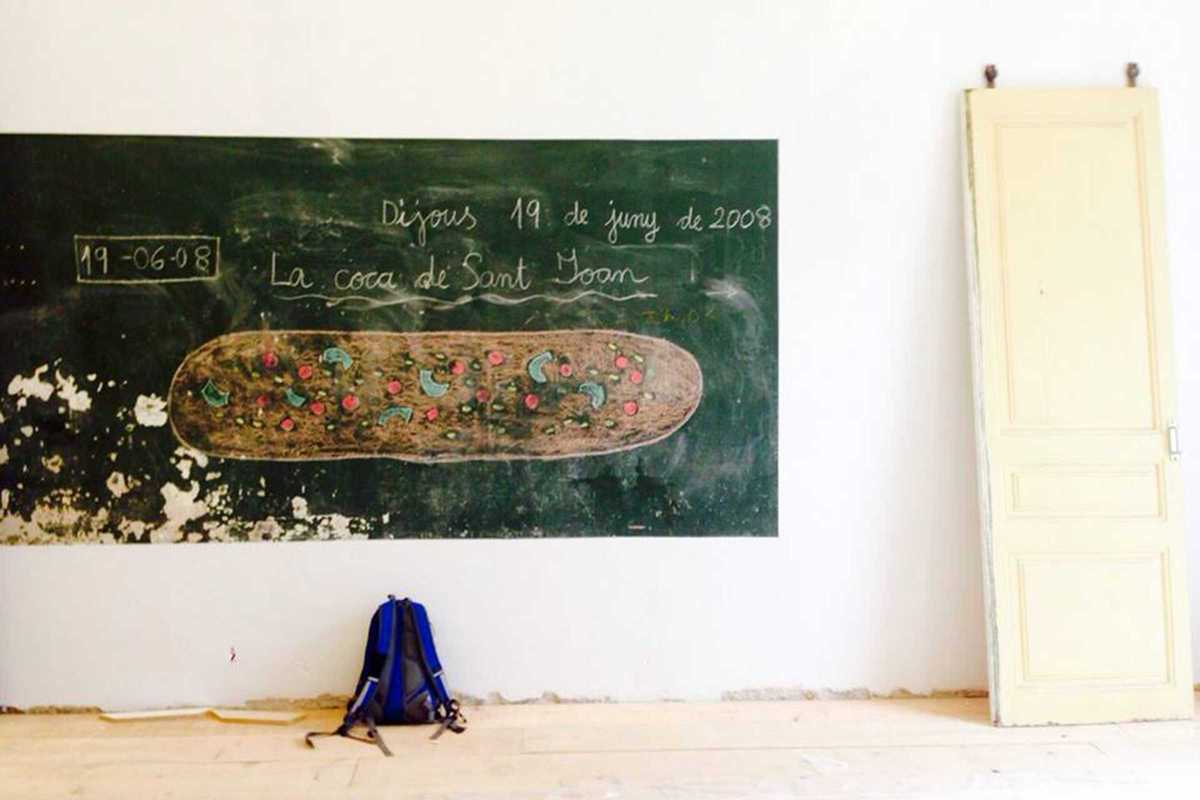
Lunch under a tree is a good argument for going into the office. PAU occupies a renovated school on the edge of Sant Antoni, with a courtyard that makes the midday break part of the appeal. Founder Alejandro Papadopoulos runs it as a coworking space and creative hub, bringing together people working in visual arts, design, fashion and architecture alongside freelancers and small businesses.
Inside, long shared tables and plants fill the white-painted rooms, with sofas for a change of scene. An old chalkboard survives above the desks, a reminder of the building’s earlier working life. The courtyard has a tree at its center and ivy along the wall, with tables for eating together. Upstairs, the rooftop terrace offers loungers and a picnic table. There’s room here to step away from the screen without heading home.
The workspaces accommodate different ways of earning a living. Flexible and fixed desks suit people working on their own; team desks and private offices give colleagues a base together. Ateliers and studios give artists and designers a place to make things by hand, alongside the people working at laptops. Meeting rooms and phone booths take care of conversations that need privacy, while a shared kitchen and cafeteria cover the breaks. There’s bike parking too, and dogs are welcome.
PAU belongs to the European Creative Hubs Network, and its spaces also host exhibitions and cultural events. Community lunches give members a chance to get acquainted, while free yoga and ping-pong championships offer other reasons to put the work aside for a while. A day pass lets you try the place before choosing a longer-term arrangement – useful when the people matter as much as the desk. Stay for lunch.
Address: C/ Bailèn, 11 (Eixample Dreta)Hours: Today 9:00–18:00
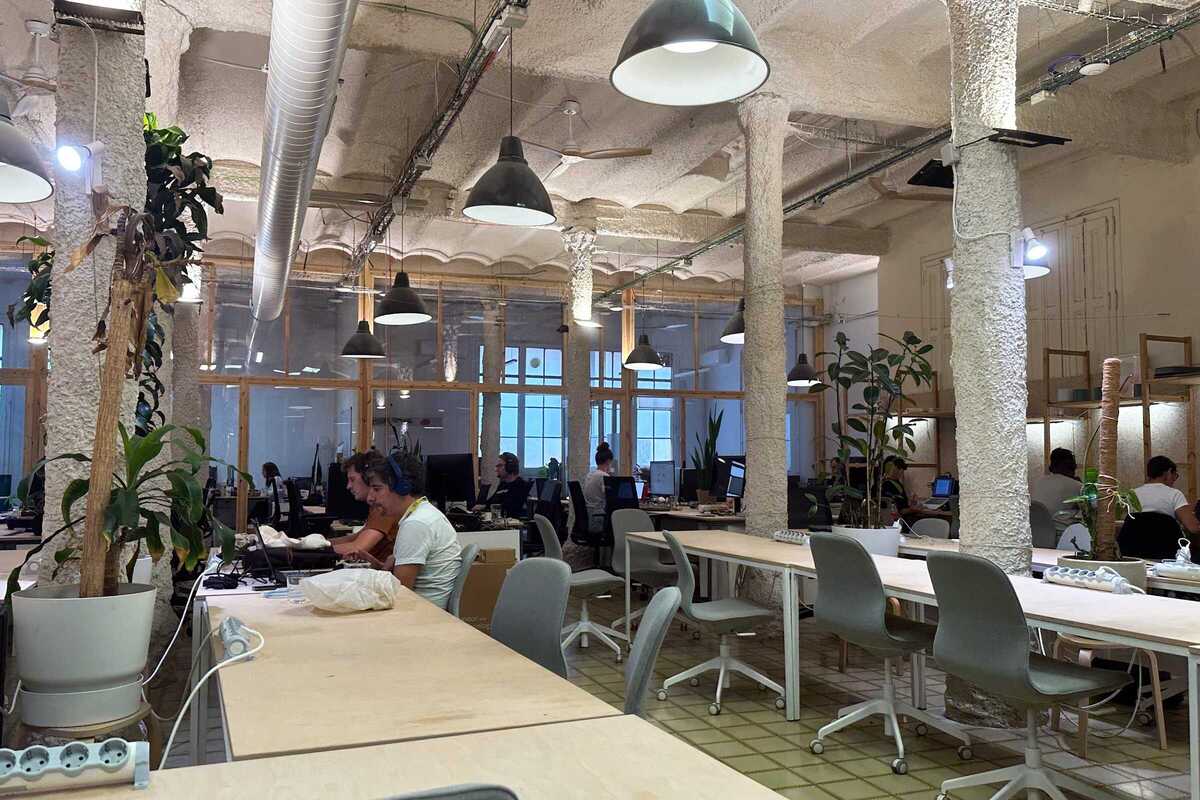
Designer and entrepreneur Cecilia Tham opened Makers of Barcelona on Bailèn in 2011, soon after the financial crisis. Her converted textile factory had more than 100 desks across two large open areas, with workshops, a gallery and a maker space. MOB describes it as Barcelona’s first coworking space. Still the flagship, MOB Bailèn stands near Arc de Triomf in the Dreta de l’Eixample, and the group now runs two other spaces, MOB Caterina in the Born and MOB Sants.
The Bailèn space has three meeting rooms and modular areas for events, and pets are welcome. Desks come with a day pass or a flexible or fixed membership; fixed-desk members have access around the clock. MOB also rents private offices and offers virtual memberships. The space managers organize breakfast together once a week and drinks on Fridays.
Since 2024, coworkers have shared BarBailèn with their neighbors. The café serves coffee and local food, with afternoon drinks for tardeo.
Dating & intimacy
Address: C/ Anglí, 69 (Sarrià – Sant Gervasi)Hours: Today 23:00–5:00
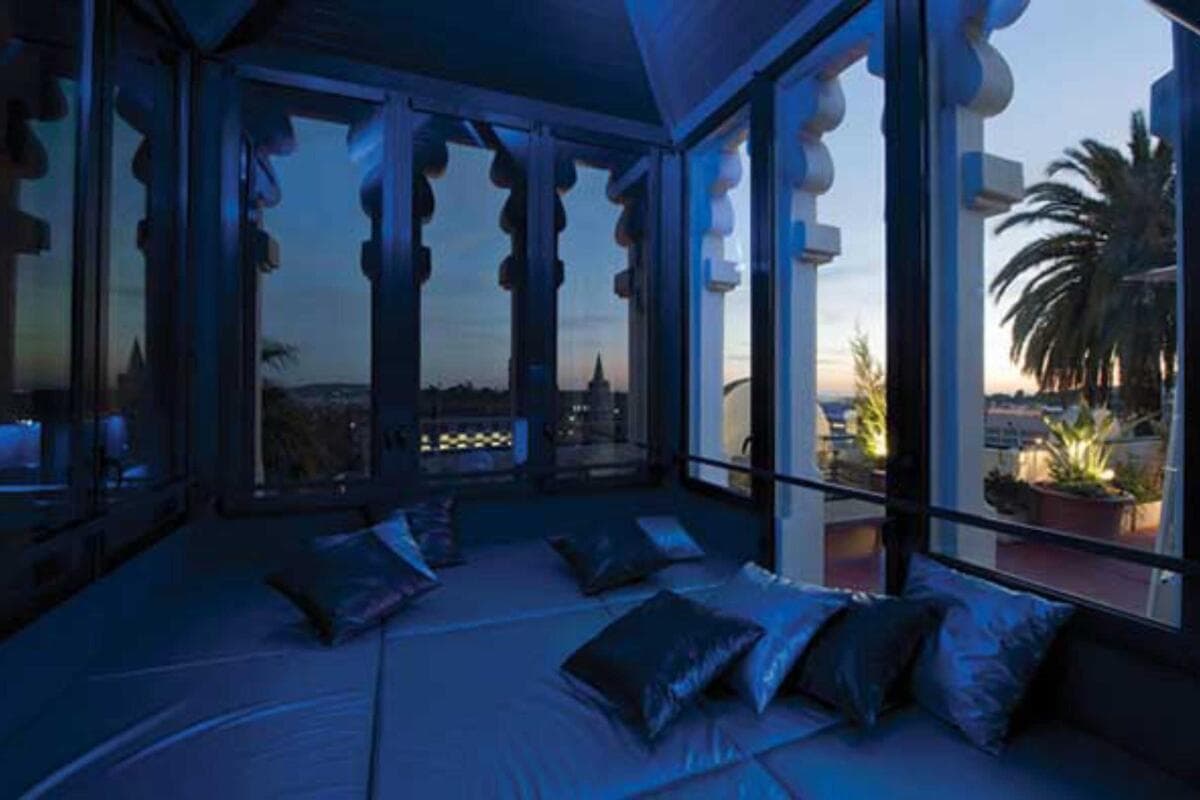
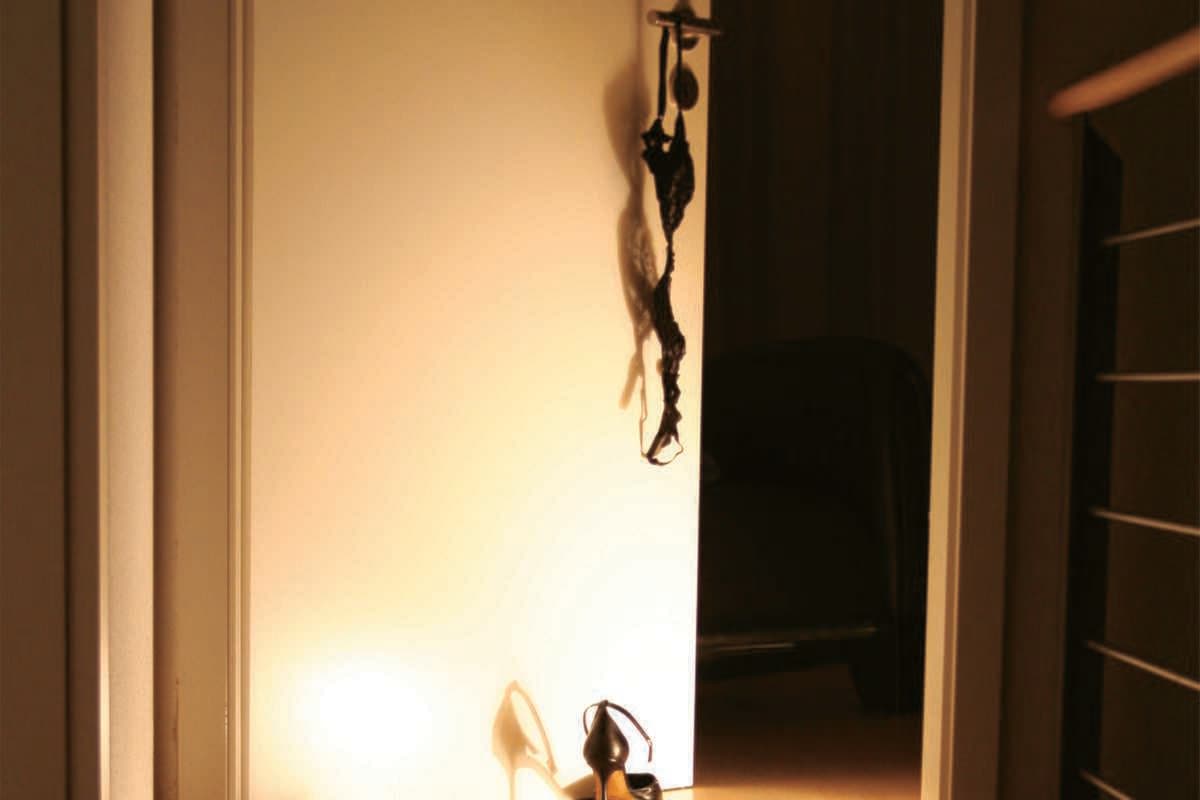
Partner swapping, swinging, open relationships. Have you ever thought about entering this world? Why don’t you pay a visit to the city’s hottest venue?
Oops is not Barcelona’s biggest club – that would be Training Pedralbes – but it is the most beautiful swingers club in the Ciudad Condal. Also situated in the upscale neighborhood of Pedralbes, Oops is a majestic mansion with warm lighting and an elegant interior decorated with erotic photography. There is an impressive cocktail bar, nightclub, outdoor terrace and second floor with various areas equipped with beds and that offers spectacular views of the city. Get into something more comfortable in the changing rooms.
And the people? It might not be the busiest club in the city but the public is select. You won’t be disappointed.
Address: C/ Muntaner, 17-19 (Sant Antoni)Hours: Today 11:00–20:00
On March 8, 1978, a 21-year-old Adeline Aránega opened Spain’s first sex shop on Carrer d’en Robador in the Raval – and within three months the authorities shut it down for peligrosidad social. She had learned the trade running a shop of the same name in Perpignan, and she didn’t scare easily; it still took until 1982 before the business could legally register at all. Nearly half a century on, Kitsch is still hers, long since settled uptown on Muntaner.
The real revolution came in the nineties, when Aránega rebuilt the place as a juguetería para adultos – bright, open and laid out like any ordinary shop, so that women who would never duck into a back-street sex shop could browse in peace. That idea has aged into the house identity: a woman-owned institution where the advice is as much a part of the stock as anything on the shelves.
And the shelves run deep – some three thousand references, with LELO, Fun Factory, Iroha, Tenga and We-Vibe among the brands – plus lingerie, books and a pelvic-floor sideline taken seriously enough that the shop hosts retreats with specialists. Long known for its sexologist-led shop tours and talks, it also runs a full online store with discreet delivery for anyone not ready for the doorway even now.
Address: C/ Torrent de l'Olla, 145 (Gràcia)Hours: Today 10:00–22:00
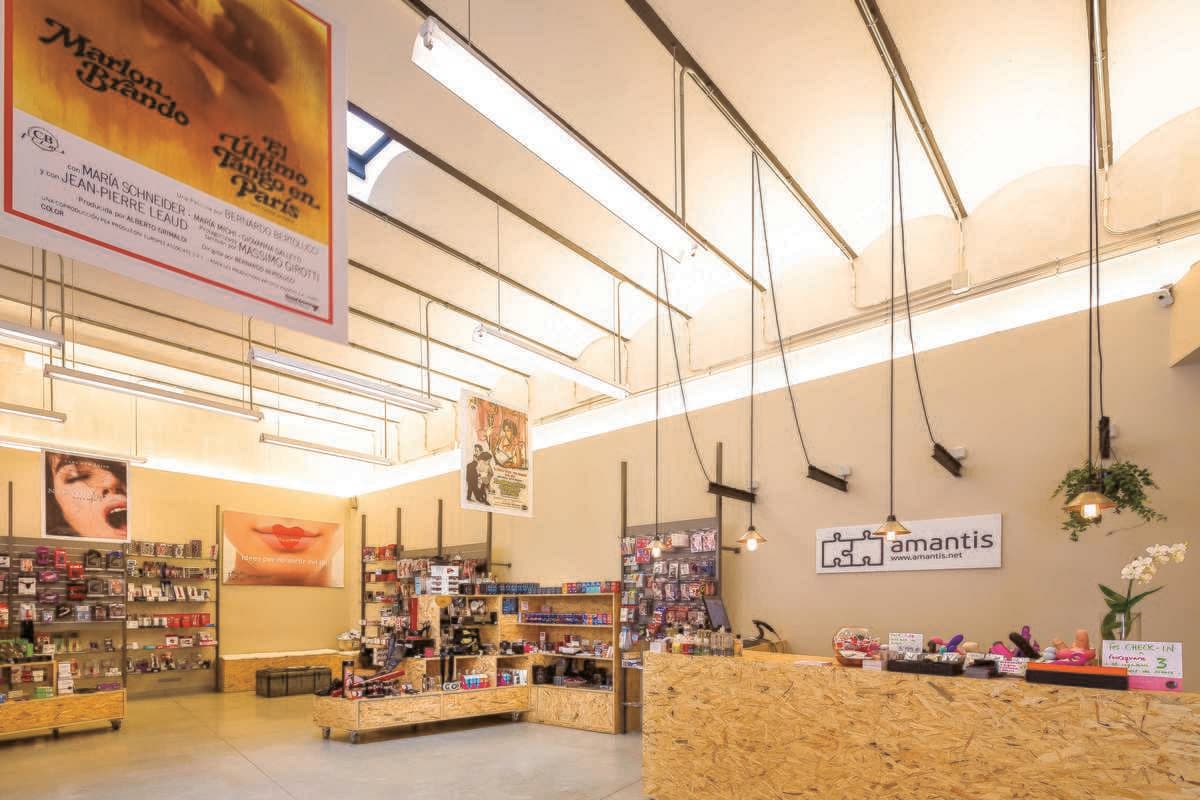
One of Spain’s leading names in erotic toys – they manufacture a good deal of their own range – Amantis brings its online catalog into the real world with a shop in Gràcia: a space full of light, fitted out in recycled materials.
As online, the boutique stocks plenty “for staying in bed”: toys for him and her, BDSM gear, books and DVDs, lingerie and more. It’s designed first and foremost to feel welcoming to women, and that intent carries through to the regular events and workshops the team hosts.
Keep an eye on their blog for what’s coming up.
More from the guide
- The best restaurants in Barcelona
- Best tapas bars in Barcelona
- Where to go shopping in Barcelona
- The best brunch in Barcelona
- Where to eat paella in Barcelona
- Gay Barcelona: bars, clubs and beaches
- The best bars in Barcelona
- The best rooftop bars in Barcelona
- The best museums in Barcelona
- Specialty coffee in Barcelona